

Introduction
Have you ever wondered what it takes to keep a beehive thriving and healthy? As a beekeeper, the well-being of your bees is paramount, and understanding how to maintain a healthy beehive is essential for success. In this blog, we’ll explore the key aspects of beekeeping, from identifying threats to inspecting your hive and reaping the rewards of your hard work. Whether you’re a seasoned beekeeper or just starting, this guide will provide you with valuable insights and practical advice to help ensure your bees flourish.
The health of your beehive is not just about the survival of your bees; it directly impacts honey production, pollination, and the overall ecosystem. A healthy beehive means a thriving bee population with robust honey yields and stronger resistance to diseases and pests. In this comprehensive guide, we will delve into the threats faced by bees, how to conduct effective hive inspections, and the tangible rewards of beekeeping. Join us on this journey to discover how you can maintain a healthy hive and contribute to the well-being of these vital pollinators.
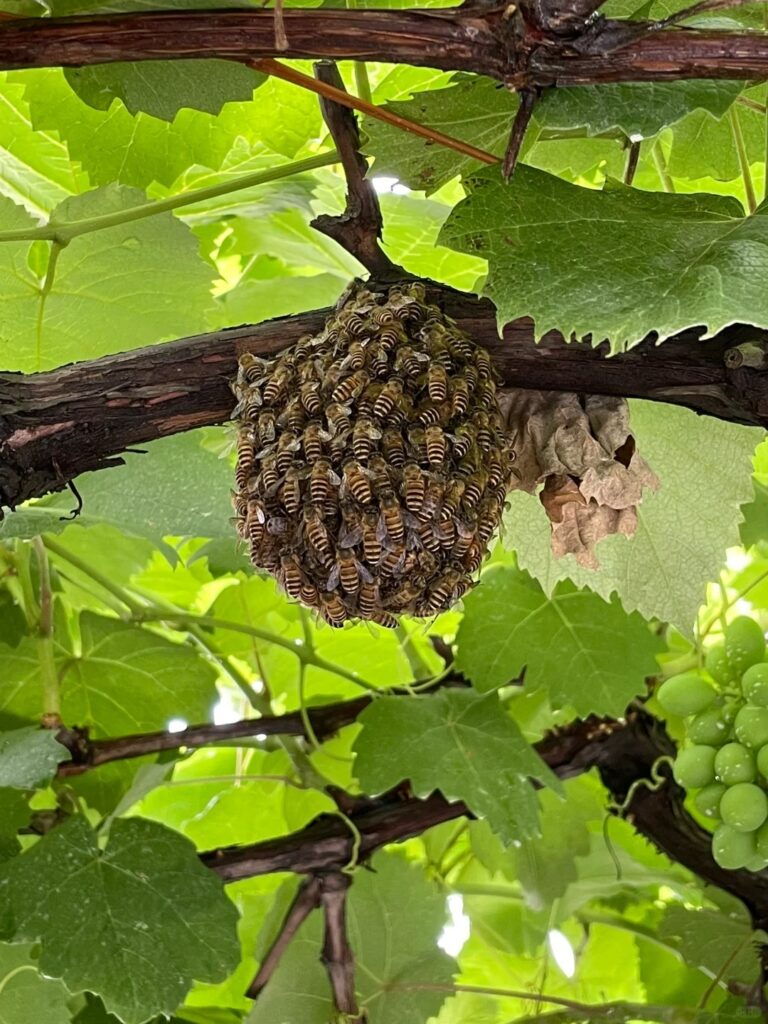
Section 1: Threats to Bees
The Thriving Colony
A thriving colony is the foundation of successful beekeeping. Understanding what constitutes a healthy beehive can help identify issues early and take appropriate action. Let’s delve into the characteristics of a healthy colony and examine a real-life case study of a thriving bee hive in an urban setting.
Characteristics of a Healthy Colony
- Active Bee Population: A healthy colony buzzes with activity. Bees should be seen entering and exiting the hive frequently, indicating active foraging. Inside the hive, the bees will be diligently working on various tasks such as tending to the queen, caring for larvae, and building comb.
- Balanced Brood Pattern: A healthy brood pattern is essential. The brood should be found in the central frames, with a consistent layout of eggs, larvae, and capped broods. This indicates a productive queen and a well-functioning colony.
- Presence of a Strong Queen: The queen is the heart of the hive. She should lay eggs regularly, and you should see a good mix of eggs, larvae, and capped brood. The presence of queen cells might indicate swarming or the need for supersedure (replacing the queen).
- Sufficient Food Stores: Healthy hives have ample stores of honey and pollen. This ensures the bees have enough resources to survive periods when foraging is not possible, such as during winter or rainy seasons.
- Clean and Well-Maintained Hive: Bees are meticulous cleaners. A healthy hive will have minimal debris on the bottom board, and you won’t see signs of disease, such as foul-smelling brood or discolored combs.
Colony Collapse Disorder (CCD)
Colony Collapse Disorder (CCD) is a phenomenon where the majority of worker bees in a colony disappear, leaving behind the queen, food stores, and a few nurse bees to care for the remaining immature bees and the queen. This sudden loss of worker bees can devastate the colony, and the reasons behind CCD are complex and multifaceted.
Definition and Causes
Definition of CCD:
CCD is characterized by the following symptoms:
- A sudden loss of adult worker bees in the hive.
- The presence of capped brood (developing bees) that is not being attended to by the workers.
- The queen and a small number of nurse bees are often present.
- Ample food stores (honey and pollen) remain in the hive.
- There is a noticeable absence of dead bees inside the hive.
Causes of CCD:
While the exact cause of CCD remains elusive, research suggests that it is likely due to a combination of multiple stressors. The primary factors believed to contribute to CCD include:
- Pesticides:
- Neonicotinoids, a class of insecticides, are particularly harmful to bees. These chemicals affect bees’ central nervous systems, leading to disorientation and impaired foraging behavior.
- Other pesticides, including fungicides and herbicides, can also weaken bees and make them more susceptible to diseases and parasites.
- Pathogens and Parasites:
- Varroa Mites: These external parasites feed on bee hemolymph (bee blood) and can transmit deadly viruses.
- Nosema: A microsporidian fungus that infects the gut of bees, leading to poor digestion and energy depletion.
- Viruses: Bees are susceptible to several viruses, such as Deformed Wing Virus (DWV) and Israeli Acute Paralysis Virus (IAPV), which can devastate colonies.
- Environmental Stressors:
- Habitat Loss: Urbanization and agricultural expansion reduce the availability of natural forage and nesting sites.
- Climate Change: Extreme weather patterns and seasonal shifts can disrupt bees’ foraging behavior and lifecycle.
- Poor Nutrition:
- Monoculture farming practices result in limited and poor-quality forage. Bees require a diverse diet of pollen and nectar from various plants to thrive.
- Beekeeping Practices:
- The use of chemical treatments and antibiotics in hives can disrupt the natural balance of microbial life, weakening the bees’ immune systems.
- Frequent movement of hives for commercial pollination services can stress bees and expose them to new pathogens.
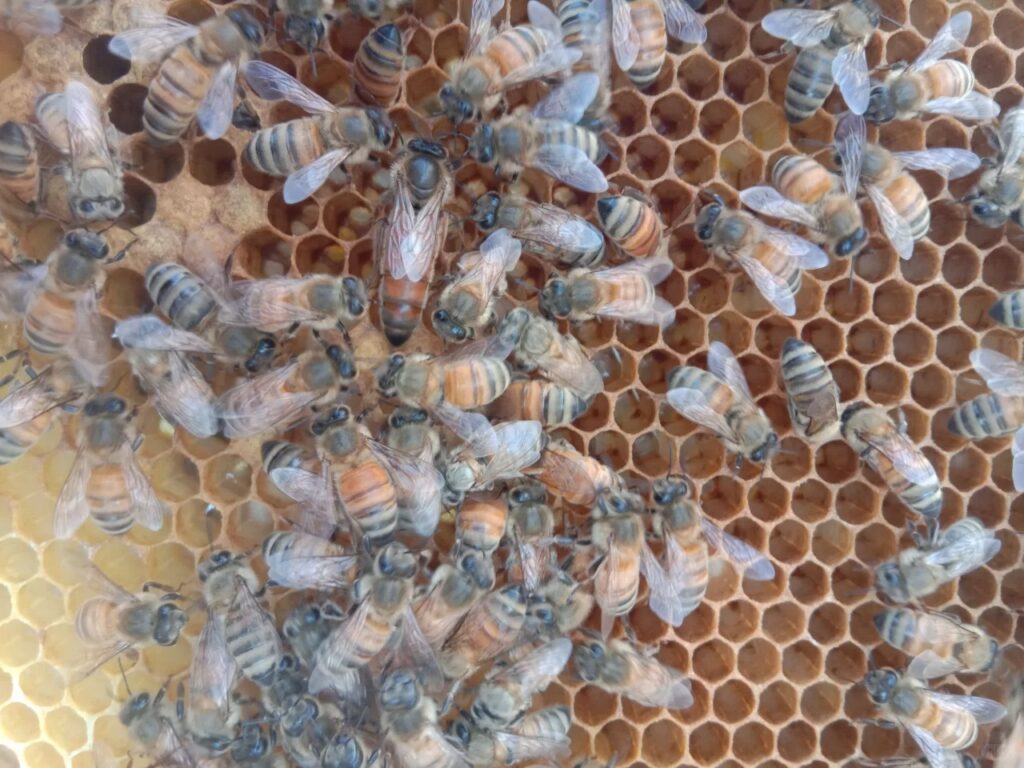
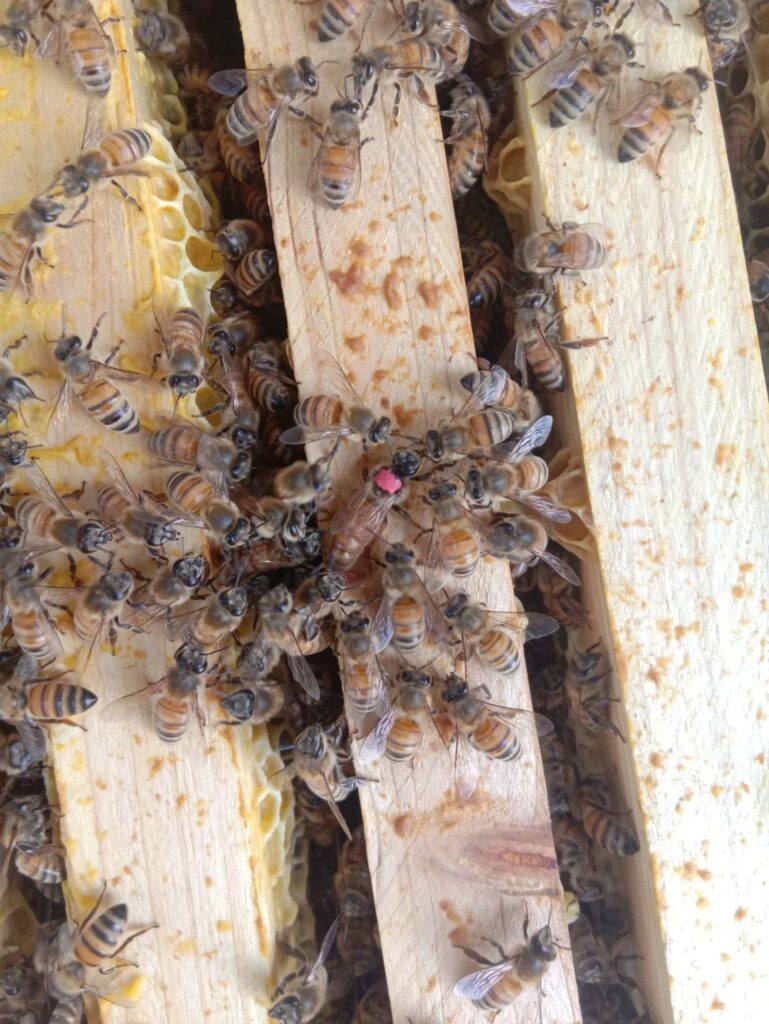
The Main Threats to Beehive Health
Maintaining a healthy beehive involves understanding and mitigating various threats that can compromise the well-being of your bees. Among these threats, pesticides, parasites, diseases, and environmental factors play a significant role. Let’s explore each of these in detail and examine a real-life case study of the impact of pesticides on local bee populations.
Pesticides, Parasites, and Diseases
Pesticides:
Honeybees face a significant threat from pesticides, which are designed to eliminate pests but can inadvertently harm bees. These chemicals can disrupt bees’ abilities to forage, navigate, and reproduce, ultimately jeopardizing their health and survival.
- Neonicotinoids: This class of insecticides is particularly harmful. Neonicotinoids affect bees’ central nervous systems, leading to disorientation and impaired foraging behavior. Even sublethal doses can have detrimental effects on bee colonies.
- Fungicides and Herbicides: While not directly lethal to bees, these chemicals can weaken bees’ immune systems, making them more susceptible to diseases and parasites.
Parasites:
Parasites, especially Varroa mites, are a significant threat to beehive health.
- Varroa Mites: These external parasites attach to bees and feed on their hemolymph. They weaken bees, transmit viruses, and can lead to colony collapse if not managed effectively. Signs of Varroa infestation include deformed wings, scattered brood patterns, and a general decline in colony strength.
- Tracheal Mites: These microscopic parasites live in the bees’ tracheae and can cause respiratory issues, leading to weakened bees and increased mortality rates.
Diseases:
Bee diseases, often exacerbated by parasites and poor nutrition, can devastate colonies.
- Nosema: This microsporidian fungus infects the gut of bees, leading to poor digestion, reduced lifespan, and colony decline. Symptoms include dysentery and a decrease in foraging activity.
- American Foulbrood (AFB): A bacterial disease that affects bee larvae, causing them to rot and emit a foul odor. Infected hives must often be destroyed to prevent the spread.
- Deformed Wing Virus (DWV): Often transmitted by Varroa mites, this virus causes wing deformities and weakens bees, reducing their ability to forage and care for the brood.
Environmental Factors
Environmental factors significantly impact beehive health. These include habitat loss, climate change, and pollution.
- Habitat Loss: Urbanization and agricultural expansion reduce the availability of natural forage and nesting sites. Bees require diverse floral resources to thrive, and habitat loss limits their access to essential nutrition.
- Climate Change: Extreme weather patterns, such as prolonged droughts, heavy rains, and unseasonable temperatures, disrupt bees’ foraging behavior and lifecycle. Climate change also affects the availability of flowering plants, further stressing bee populations.
- Pollution: Air and water pollution can contaminate bee forage and water sources, introducing harmful substances into the hive. This can lead to weakened bees and increased susceptibility to diseases.
The Threat of Robbing in Beehives
Robbing is a significant threat to beehive health, where bees from one hive invade another to steal honey. This aggressive behavior can lead to the death of many bees, spread diseases, and weaken the invaded hive. Understanding what robbing is and how to prevent it is crucial for maintaining a healthy beehive.
What is Robbing and How It Affects Beehives
Definition of Robbing:
Robbing occurs when bees from one hive (the robbers) invade another hive (the victim) to steal honey. This typically happens during times of nectar dearth, when natural food sources are scarce. The robbers are aggressive and can overpower the bees in the victim hive, leading to violent encounters.
How Robbing Affects Beehives:
- Loss of Honey Stores: The primary consequence of robbing is the loss of honey stores. Robbers can deplete the victim hive’s honey reserves, leaving it without enough food for the bees to survive.
- Increased Aggression: Robbing leads to heightened aggression among bees. Fights break out between the robbers and the bees defending their hive, often resulting in the death of many bees on both sides.
- Spread of Diseases: Robbing can spread diseases and parasites between hives. When robbers invade a hive, they can carry back pathogens or parasites to their own hive, potentially infecting their colony.
- Weakened Hive: The stress and loss of resources from robbing can weaken the victim hive, making it more susceptible to other threats such as pests and diseases. In severe cases, robbing can lead to collapse of the hive.
Prevention Strategies
Preventing robbing is essential for protecting your beehive. Here are effective strategies to prevent robbing and maintain hive security:
1. Reduce Hive Entrances:
- Smaller Entrances: Reduce the size of hive entrances during nectar dearth periods. This makes it easier for the guard bees to defend the hive against robbers.
- Entrance Reducers: Use entrance reducers to limit the space robbers can access. This also helps guard bees to control the hive’s entry points more effectively.
2. Avoid Exposing Honey:
- Careful Inspections: When inspecting the hive, avoid exposing large amounts of honey. Open hives quickly and close them promptly to minimize the scent of honey, which can attract robbers.
- Feeding Practices: When feeding your bees, use internal feeders rather than open feeders. Open feeders can attract robbers from other hives.
3. Strengthen Hive Security:
- Healthy Colonies: Keep your colonies strong and healthy. A strong hive with many guard bees can better defend itself against robbers.
- Regular Monitoring: Regularly monitor your hives for signs of robbing, such as increased bee activity around the entrance and dead bees near the hive.
4. Provide Adequate Forage:
- Planting Flowers: Plant a variety of flowering plants around your apiary to provide bees with ample forage. This reduces the need for robbing as bees have access to natural food sources.
- Supplemental Feeding: During nectar dearth periods, provide supplemental feeding to ensure your bees have enough food. This can help prevent robbing behavior.
Section 2: Inspecting Your Beehive
Regular inspections are critical for maintaining a healthy beehive. By inspecting your hive consistently, you can detect issues early, address them promptly, and ensure your bees thrive. In this section, we will cover the big issues to check during an inspection, the signs of a healthy versus unhealthy beehive, and a case study illustrating the importance of early detection.
Big Issues to Check
When inspecting your beehive, there are several key areas to focus on. These include the health of the queen, brood pattern, the presence of pests or diseases, and food stores. Here’s a detailed look at each:
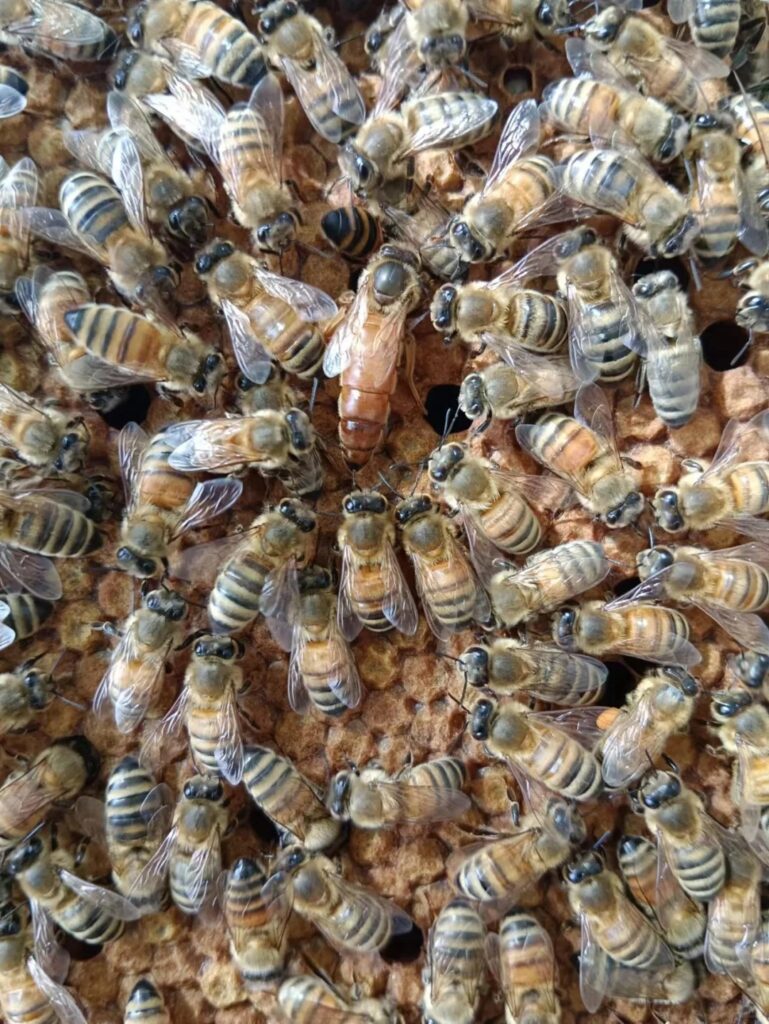
1. Queen Health:
- Presence of the Queen: Ensure the queen is present. Look for her or signs of her activity, such as eggs and young larvae.
- Egg Laying Pattern: Check the brood frames for a consistent egg-laying pattern. A good queen lays eggs in a regular pattern, with few empty cells between broods.
2. Brood Pattern:
- Healthy Brood: Look for solid patches of brood with eggs, larvae, and capped cells. The brood pattern should be consistent, indicating a healthy and productive queen.
- Signs of Disease: Check for any irregularities in the brood, such as discolored larvae or capped cells with perforations, which can indicate diseases like American Foulbrood.
3. Pests and Diseases:
- Varroa Mites: Inspect the bees and brood cells for Varroa mites. Look for mites on adult bees and in drone brood, as they are more likely to be infested.
- Other Pests: Check for signs of other pests, such as small hive beetles or wax moths. Look for larvae, eggs, or damage to the comb.
- Disease Symptoms: Be alert for symptoms of common diseases such as chalkbrood (mummified larvae) or nosema (bee dysentery).
4. Food Stores:
- Honey and Pollen: Ensure the hive has sufficient honey and pollen stores. These are critical for the bees’ nutrition, especially during times when foraging is limited.
- Supplemental Feeding: If food stores are low, consider providing supplemental feeding, such as sugar syrup or pollen patties.
Signs of a Healthy vs. Unhealthy Beehive
Healthy Beehive Signs:
- Active Foraging: Bees should be actively flying in and out of the hive, bringing back pollen and nectar.
- Consistent Brood Pattern: A solid brood pattern with eggs, larvae, and capped brood in a regular layout indicates a healthy queen.
- Ample Food Stores: Plenty of honey and pollen stored in the comb.
- Minimal Pests: Few or no signs of pests like Varroa mites or hive beetles.
- Clean Hive: The hive should be clean with minimal debris on the bottom board.
Unhealthy Beehive Signs:
- Reduced Activity: Little to no foraging activity can indicate problems.
- Scattered Brood Pattern: Irregular or patchy brood pattern, with many empty cells.
- Low Food Stores: Insufficient honey or pollen reserves.
- Visible Pests: Presence of Varroa mites, small hive beetles, or wax moths.
- Signs of Disease: Discolored or malformed brood, dead bees, or signs of bee dysentery.
Avoiding Swarms in Your Beehive
Swarming is a natural behavior in bees, but it can reduce the productivity of your beehive if not managed properly. Understanding swarming behavior and implementing prevention techniques are crucial for maintaining a strong and productive hive.
Understanding Swarming Behavior
What is Swarming?
Swarming is the process by which a single bee colony splits into two or more colonies. It occurs when the hive becomes too crowded and the bees decide to find a new home. The old queen leaves the hive with a large portion of the worker bees to establish a new colony, while a new queen takes over the original hive.
Signs of Swarming:
- Queen Cells: The presence of queen cells, particularly swarm cells (found on the edges of frames), indicates that the bees are preparing to swarm.
- Overcrowding: Bees clustering outside the hive entrance or excessive bees on the comb can signal to overcrowd.
- Reduced Brood: A decrease in the amount of brood, as the queen reduces egg laying in preparation for swarming.
- Aggressive Behavior: Increased defensiveness and agitation in the hive.
Prevention Techniques
1. Provide Adequate Space:
- Add Supers: Adding supers (additional boxes) to the hive provides more space for the bees to store honey and expand the brood nest. This reduces the likelihood of overcrowding, which is a primary trigger for swarming.
- Frame Rotation: Rotate empty frames into the brood nest to give the queen more space to lay eggs. This helps prevent the brood nest from becoming congested.
2. Regular Inspections:
- Conduct regular hive inspections, especially during the swarming season (spring and early summer). Look for signs of swarming, such as queen cells, and take action early.
- Queen Management: If you find swarm cells, consider splitting the hive. This involves removing some of the bees and frames to create a new hive, simulating the natural swarming process without losing bees.
3. Maintain a Young Queen:
- Younger queens produce more pheromones, which help maintain colony cohesion and reduce the urge to swarm. Consider requeening the hive every one to two years to keep the colony stable.
4. Control Hive Conditions:
- Ventilation: Ensure the hive has adequate ventilation to prevent overheating, which can trigger swarming.
- Shade and Water: Provide shade and a water source near the hive to keep bees cool and comfortable.
5. Use Swarm Traps:
- Place swarm traps near your apiary to catch any swarms that do occur. These traps can attract swarming bees, allowing you to capture and relocate them.
Managing Cross Comb in Your Beehive
The cross comb is a common issue in beekeeping where bees build comb in unintended directions, making hive management difficult. Understanding what cross-comb is and how to manage and prevent it is essential for maintaining an organized and efficient hive.
What is Cross Comb?
Definition of Cross Comb:
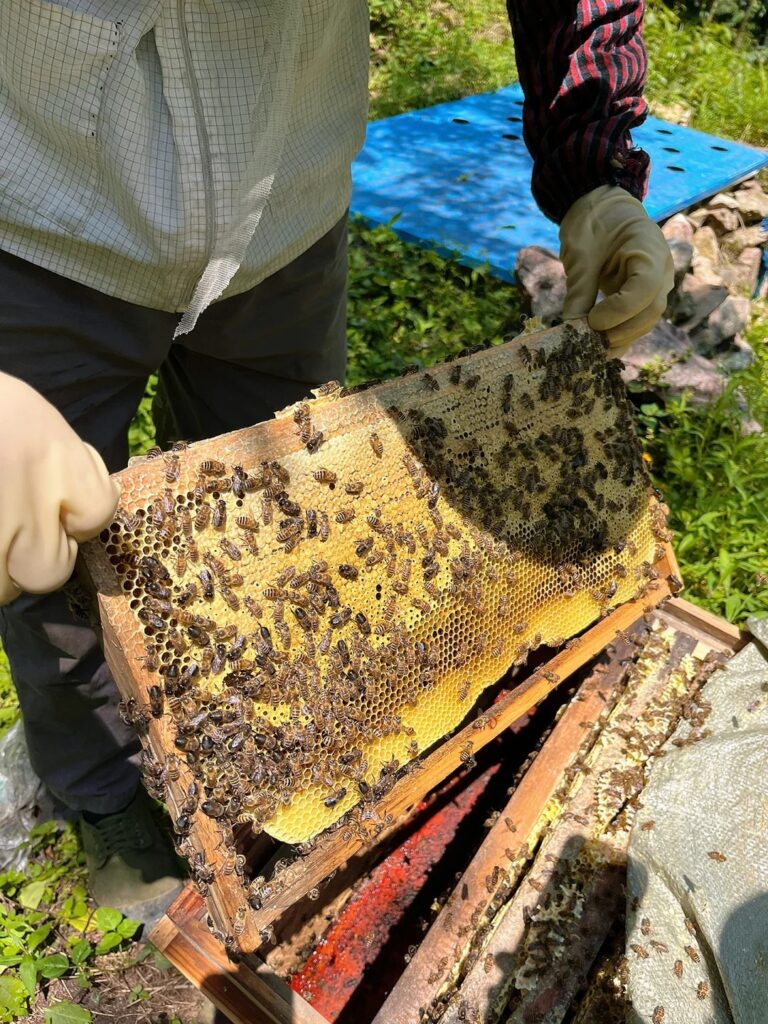
Cross comb occurs when bees build comb that runs across multiple frames or deviates from the intended direction of the frames. This can make it challenging to inspect the hive, remove frames, and manage the colony effectively.
Causes of Cross Comb:
- Lack of Foundation: Bees are more likely to build cross-comb when using foundationless frames or natural comb without guidance.
- Improper Spacing: Incorrect spacing between frames can lead to misaligned comb construction.
- Hive Tilting: A hive that is not level can encourage bees to build a comb at an angle, leading to cross comb.
How to Manage and Prevent Cross Comb
1. Use Foundation Frames:
- Guided Construction: Foundation frames provide a template for bees to build straight comb. Use wax or plastic foundation to guide bees in constructing comb within the frames’ boundaries.
- Proper Frame Spacing: Ensure frames are evenly spaced in the hive. Use frame spacers or careful placement to maintain the correct distance between frames.
2. Regular Inspections:
- Early Detection: Inspect the hive regularly, especially when bees are building new comb. Early detection of cross-comb allows for easier correction.
- Comb Correction: If you find a cross comb, carefully cut it and reposition it. Use a sharp knife to separate the comb from the frame and realign it according to the frame’s direction.
3. Maintain a Level Hive:
- Hive Leveling: Ensure your hive is level from side to side and front to back. Use a spirit level to check the hive’s alignment and adjust the stand or base as needed.
- Secure Placement: Place the hive on a stable and flat surface to prevent tilting.
4. Frame Management:
- Frame Arrangement: Arrange frames tightly together, leaving no gaps for bees to start building cross comb.
- Regular Rotation: Rotate frames periodically to encourage straight comb construction and prevent bees from creating irregular patterns.
Managing Hive Capacity in Your Beehive
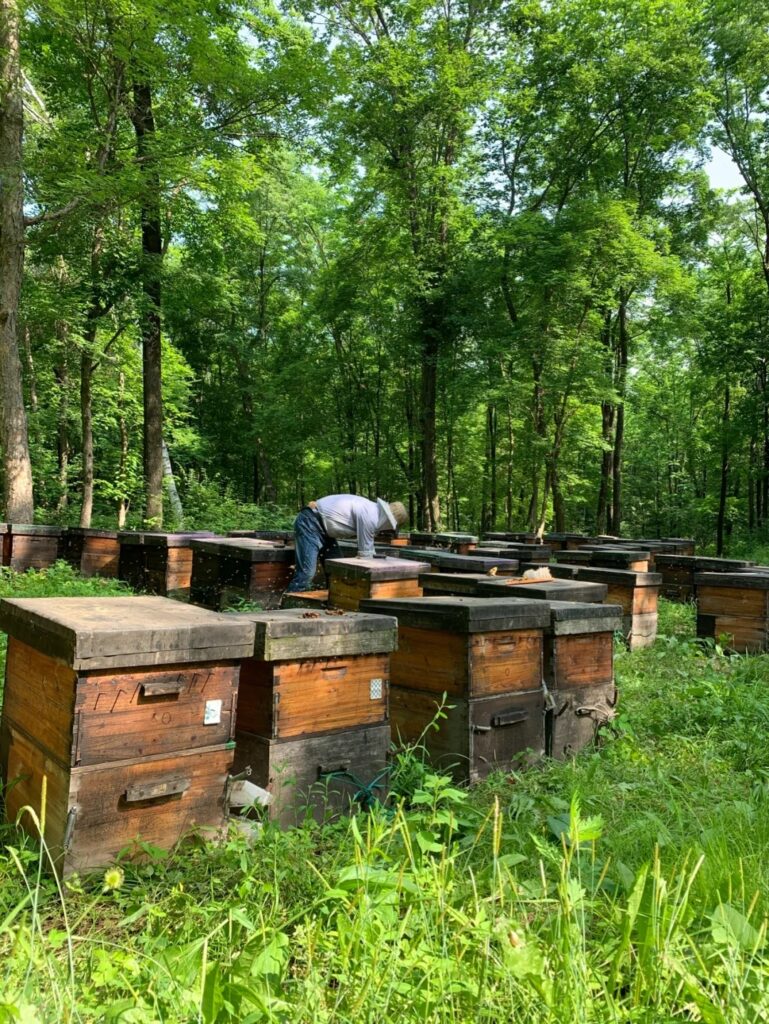
Properly managing hive capacity is crucial for the health and productivity of your beehive. Ensuring that your hive has enough space for the colony to grow and store honey can prevent issues such as swarming and overcrowding. In this section, we will discuss the importance of space management and explore techniques for effectively managing hive capacity.
Importance of Space Management in a Hive
Preventing Swarming:
One of the main reasons bees swarm is due to a lack of space. When the hive becomes overcrowded, bees will naturally seek to create a new colony. By providing adequate space, you can reduce the likelihood of swarming and keep your bees working productively within the hive.
Encouraging Honey Production:
Adequate space is also essential for honey production. When bees have enough room to store nectar and convert it into honey, the colony can produce more honey. Crowded conditions can hinder this process and reduce your overall honey yield.
Maintaining Hive Health:
Overcrowding can lead to increased stress and the spread of diseases and pests within the hive. Ensuring there is enough space helps maintain a healthy environment for the bees, reducing the risk of infections and infestations.
Techniques for Managing Hive Capacity
1. Adding Supers:
Supers are additional boxes placed on top of the brood box to provide extra space for honey storage. Adding supers at the right time is crucial for managing hive capacity.
- Timing: Add supers when the bees have filled 70-80% of the existing frames with brood or honey. This usually happens during the peak nectar flow season.
- Inspection: Regularly inspect the supers to ensure they are being utilized. If the bees have not started using the super, consider adjusting the placement or adding another super to provide more space.
2. Frame Rotation:
Rotating frames within the hive can help manage space and encourage the queen to lay eggs throughout the brood box.
- Brood Nest Management: Rotate empty frames into the brood nest to give the queen more space to lay eggs. This helps prevent the brood nest from becoming congested.
- Honey Storage: Rotate frames with honey to the outer edges of the hive, making more room in the center for brood rearing.
3. Splitting Hives:
Splitting a hive involves creating two colonies from one, which can be an effective way to manage hive capacity and prevent swarming.
- Creating Splits: Remove several frames of brood, bees, and the queen cells from the original hive and place them in a new hive box. This simulates a natural swarming process and provides immediate relief from overcrowding.
- Monitoring: Monitor both the original hive and the new split to ensure they have adequate resources and the queens are healthy.
4. Requeening:
Requeening can help manage hive capacity by ensuring a strong and productive queen is leading the colony.
- Signs of a Failing Queen: Look for signs such as a scattered brood pattern, reduced egg-laying, and increased aggression. Replacing an old or failing queen can rejuvenate the colony and improve space management.
5. Using Hive Expansion Kits:
Hive expansion kits provide additional space for growing colonies. These kits typically include extra frames, supers, and other necessary components.
- Planning Expansion: Plan for hive expansion during the peak growth periods of the colony. Ensure you have all the necessary components ready for a smooth transition.
- Installation: Install the expansion kit during an inspection when you notice the hive becoming crowded. Properly installing the kit can provide immediate relief and prevent swarming.

A Beekeeper FAQ: Common Questions and Expert Answers
Inspect your beehive every 7-10 days during the active season (spring and summer). Regular inspections help you monitor the health of the colony, detect issues early, and effectively manage space.
The presence of queen cells can indicate that the hive is preparing to swarm or replace the queen. If you find queen cells, consider splitting the hive to prevent swarming or monitor the hive closely to ensure a smooth requeening process.
Signs of a queenless hive include the absence of eggs and young larvae, increased hive noise, and erratic bee behavior. If you suspect your hive is queenless, consider introducing a new queen to restore order and productivity.
Conclusion
A healthy beehive is vital for the wellbeing of your bees and the overall ecosystem. Healthy bees are more productive, resilient against diseases, and can contribute significantly to pollination and honey production. By prioritizing the health of your beehive, you support a thriving environment and benefit from the rewards of beekeeping.
Now is the perfect time to embark on your beekeeping journey. Whether you’re a novice or an experienced beekeeper, maintaining a healthy beehive is within your reach with the right knowledge and dedication. Start your journey today, contribute to the wellbeing of bee populations, and enjoy the numerous rewards that beekeeping offers. Happy beekeeping!
For more information, check out our other guides: How Do You Start with Beehive Boxes? A Practical Guide and What Do Beginners Need to Know About Beekeeping?