

Introduction: Beekeeping Equipment For Beginners
Beekeeping is a rewarding hobby that offers numerous benefits, from producing your own honey to helping the environment by supporting pollination. However, unlike some hobbies that can be started on a whim, beekeeping requires a significant investment in equipment and knowledge. Before you dive into the world of bees, it’s crucial to know what gear you’ll need to get started.
In this comprehensive guide, we’ll walk you through the ten essential pieces of equipment that every beginner beekeeper should have. We’ll also cover additional tips and advice to help you set up your beekeeping operation successfully. Whether you’re looking to keep a single hive in your backyard or start a small apiary, this guide will provide you with the information you need to get started on the right foot.
Understanding Beekeeping: Why Equipment Matters
Beekeeping is not only about having bees; it’s about providing them with the best environment to thrive. Proper equipment is crucial for maintaining healthy colonies, harvesting honey efficiently, and ensuring your safety. The right tools can make the difference between a successful beekeeping experience and a frustrating one.
Beekeeping presents several challenges, such as managing hive health, dealing with pests, and ensuring adequate food supply. However, it also offers immense rewards, including the joy of working with bees, the satisfaction of producing your own honey, and the opportunity to contribute to environmental sustainability.
The 10 Must-Have Beekeeping Equipment for Beginners
1. Hives
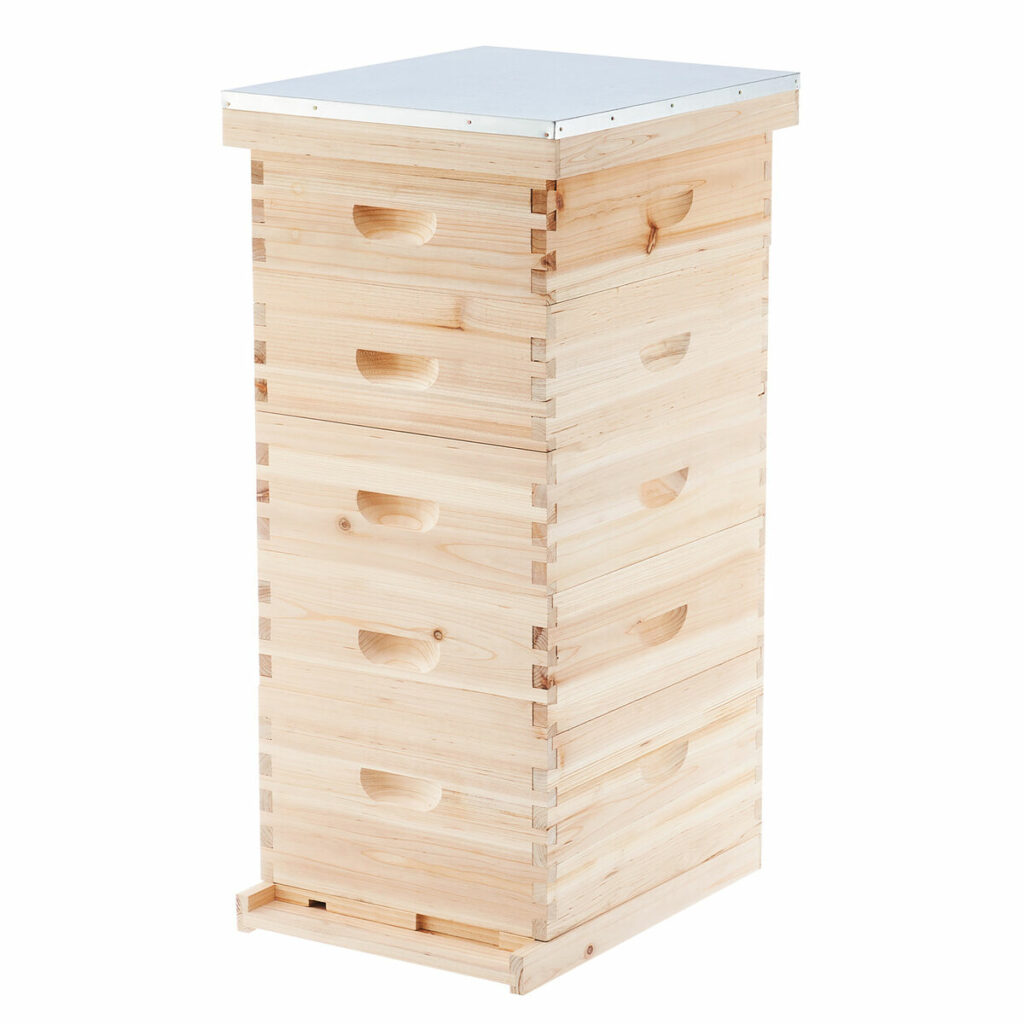
Your beehive is the heart of your beekeeping operation. The two most popular types are Top Bar and Langstroth hives. Let’s break down their differences.
Top Bar Hives:
- Description: Features horizontal bars from which bees build their comb.
- Pros:
- Easier to inspect since you only remove one bar at a time.
- Less equipment required.
- Cons:
- Lower honey yield compared to Langstroth.
- Not ideal for commercial beekeeping.
- Case Study: Beekeepers in tropical regions favor Top Bar hives for their simplicity and the fact that they work well in warmer climates.
Langstroth Hives:
- Description: Consists of vertically stacked boxes with removable frames.
- Pros:
- Higher honey production.
- Standardized design makes it easier to expand.
- Cons:
- Heavier and more cumbersome to handle.
- More equipment needed.
- Case Study: A commercial beekeeper in the Midwest finds Langstroth hives perfect for scaling up due to their efficiency and honey yield.
2. Bee Suit
Importance of Protective Gear
A bee suit is your primary defense against bee stings. It covers your entire body, protecting you from head to toe.
Features to Look For in a Bee Suit:
- Material: Durable yet breathable fabric to prevent stings while keeping you cool.
- Fit: Should be loose enough to be comfortable but tight enough at the ankles and wrists to keep bees out.
- Visibility: A veil that offers clear visibility without compromising protection.

Personal Anecdote: The first time I wore a bee suit, I felt like an astronaut, but it gave me the confidence to approach the hive without fear. The protection allowed me to focus on learning and enjoying the experience.
3. Gloves
Why Gloves Are Crucial
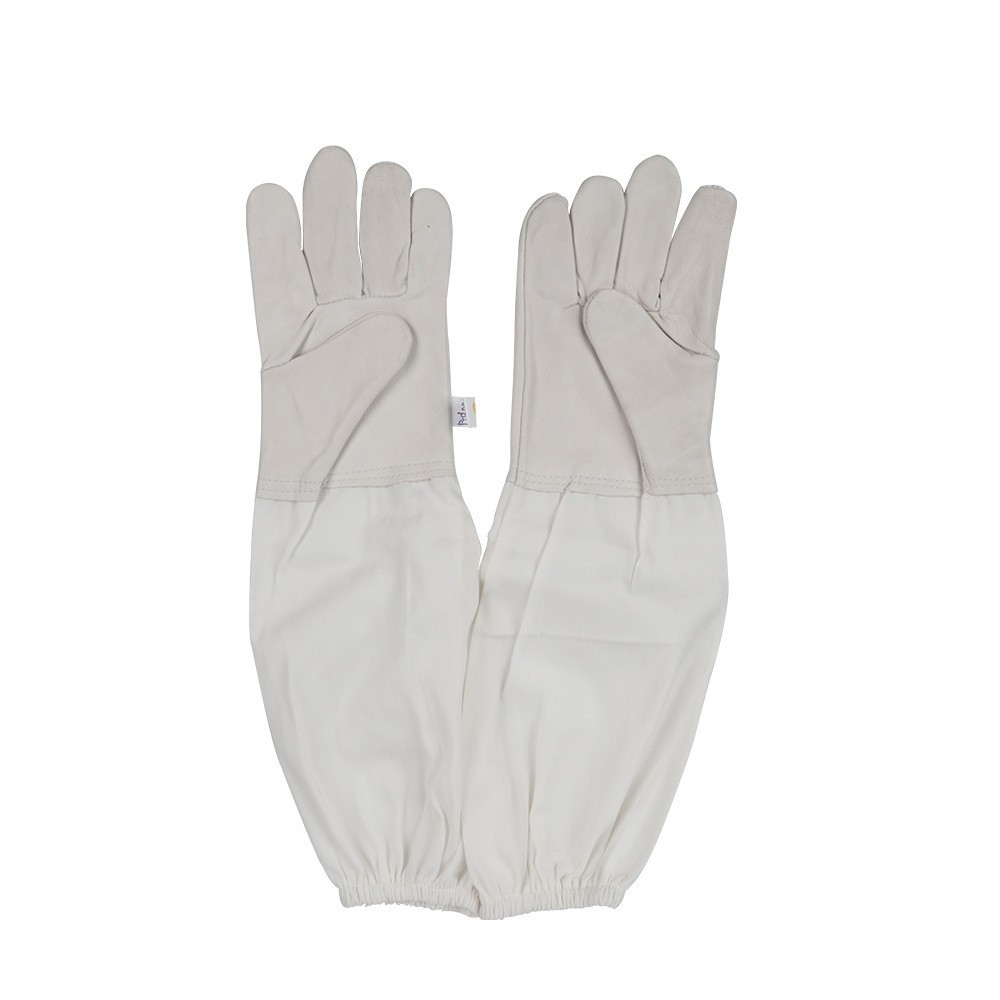
Gloves are essential for protecting your hands from stings while performing delicate tasks.
Best Materials for Beekeeping Gloves:
- Leather: Offers the best protection but can be less flexible.
- Cotton: More flexible but may offer less protection.
4. Boots
Choosing the Right Boots
Sturdy boots are necessary to protect your feet and ankles. They should fit snugly over the legs of your bee suit.
Why Specialized Boots Might Not Be Necessary: While you can buy specialized beekeeping boots, many beekeepers find that regular gumboots work just as well.
Practical Tip: Tuck your bee suit legs into your boots to create a secure barrier against bees. This simple trick has saved me from many potential stings.
5. Hive Tool
Functions of a Hive Tool
A hive tool is indispensable for various tasks, from separating hive boxes to scraping off excess wax and propolis.
Demonstration: Using the flat end to pry apart hive boxes and the hooked end to lift frames makes inspections smoother and less disruptive to the bees.

6. Smoker
The Role of a Smoker in Beekeeping
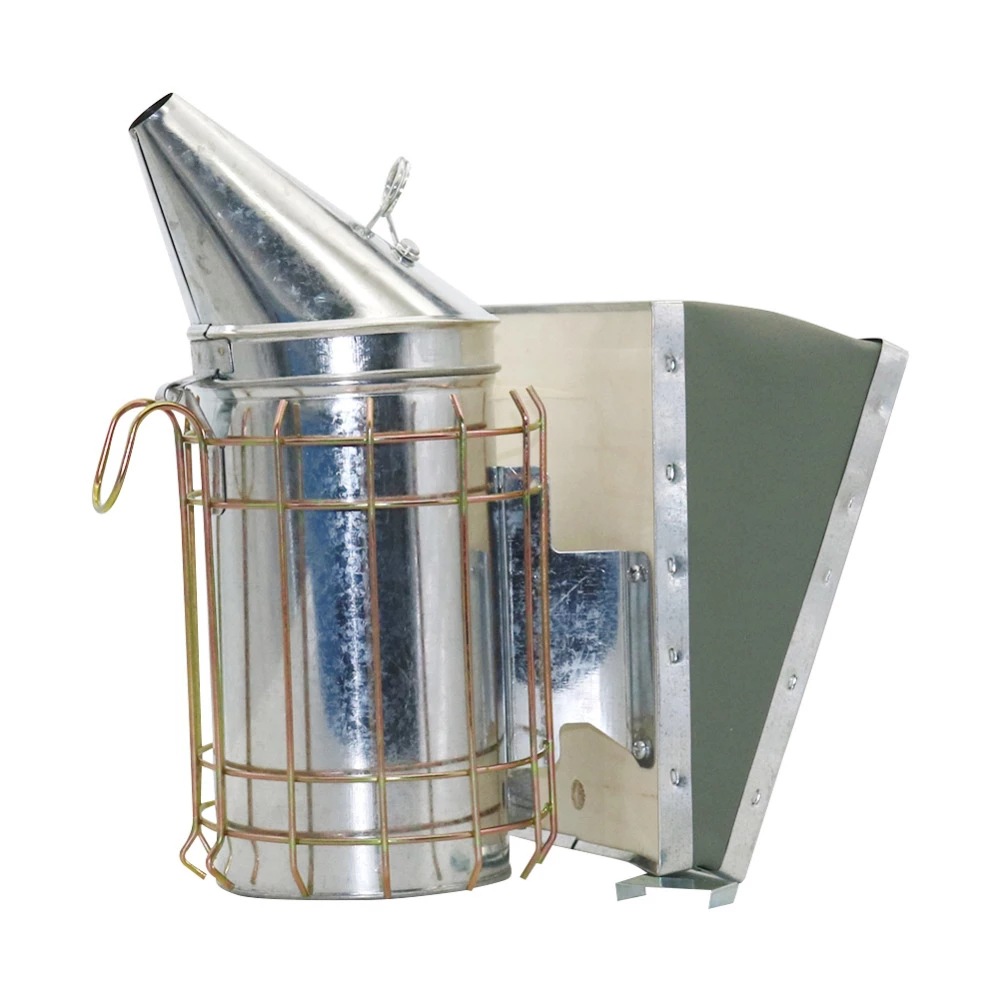
A smoker calms bees by masking their alarm pheromones, making hive inspections safer and easier.
How to Use a Smoker Safely and Effectively:
- Lighting the Smoker: Use natural materials like pine needles or burlap. Light them and let them smolder.
- Using the Smoker: Puff smoke gently into the hive entrance and over the top bars before opening the hive.
- Safety Tips: Keep the smoker away from flammable materials and never leave it unattended.
7. Bee Brush
Uses of a Bee Brush
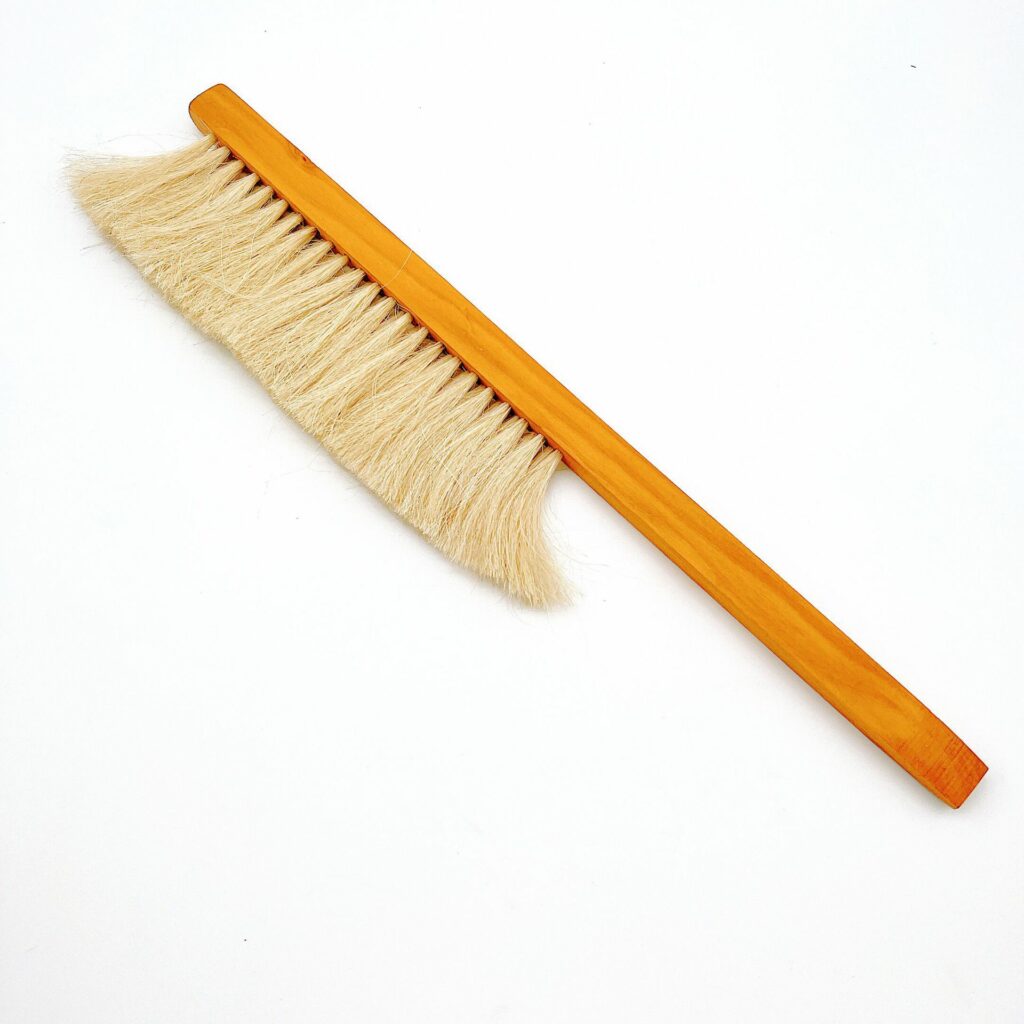
A bee brush is used to gently move bees from surfaces without harming them.
Types of Bee Brushes Available:
- Natural Bristles: Gentle on bees but may wear out faster.
- Synthetic Bristles: Durable but can be a bit harsher on bees.
Practical Advice: Use slow, gentle strokes with the bee brush to avoid agitating the bees. This technique helps in moving bees safely during inspections.
8. Queen Catcher
Importance of Isolating the Queen
A queen catcher is crucial for safely isolating the queen during hive inspections or requeening.
How to Use a Queen Catcher:
- Locating the Queen: Carefully search for the queen among the worker bees.
- Catching the Queen: Place the catcher over the queen and gently close it.
- Handling the Queen: Once caught, handle the queen carefully and return her to the hive promptly.
Real-Life Scenario: During an inspection, I needed to replace the queen. The queen catcher allowed me to isolate the old queen and introduce the new one seamlessly.
9. Feeder
Why Feeding Bees is Necessary
Supplementing bees’ food supply is often necessary, especially during winter or when natural food sources are scarce.
Types of Feeders: Pros and Cons:
- Frame Feeders: Fit inside the hive but can drown bees if not used properly.
- Boardman Feeders: Attach to the entrance but can attract robbing bees.
- Top Feeders: Sit on top of the hive and are easy to refill but can be pricey.

10. Capping Scratcher
Functions of a Capping Scratcher
A capping scratcher is used for uncapping honeycomb cells during extraction and inspecting brood cells.
Techniques for Using a Capping Scratcher:
- Uncapping Honeycomb: Gently scrape off the wax cappings before extraction.
- Inspecting Brood: Open brood cells to check for diseases or pests.
By equipping yourself with these essential tools, you’ll be well-prepared to start your beekeeping journey with confidence and success. Each piece of equipment plays a critical role in ensuring your hives are healthy and productive.
Extra Tips for Beginner Beekeepers
Maintenance Tips for Your Beekeeping Equipment
Keeping your beekeeping equipment in top shape is crucial for a successful beekeeping experience. Here are some tips to ensure your gear lasts and performs well.
How to Care for and Maintain Beekeeping Equipment
- Regular Inspections: Check your equipment frequently for wear and tear. Look for cracks in the hive boxes, loose fittings, and any damage to your protective gear.
- Proper Cleaning: Clean your tools and gear after every use. Scrape off any wax or propolis from your hive tool, and wash your bee suit and gloves regularly to avoid attracting pests.
- Repair When Needed: Don’t wait for minor issues to become major problems. Fix any damage as soon as you notice it, whether it’s a torn bee suit or a broken frame.
Seasonal Maintenance Advice
- Spring: As you prepare for the active beekeeping season, give all your equipment a thorough cleaning. Replace any old frames and ensure your hives are in good condition.
- Summer: During the peak of activity, keep a close eye on your hives. Regularly inspect and clean your smoker, and ensure your bee suit and gloves remain intact.
- Fall: As the season winds down, start preparing your equipment for winter storage. Clean everything thoroughly and perform any necessary repairs.
- Winter: Store your equipment in a dry, cool place. Make sure it’s protected from pests and rodents. This is also a good time to plan any upgrades or purchases for the next season.
Practical Advice: Cleaning and Storing Your Gear
- Cleaning: Use warm soapy water to clean your hive tool and bee brush. For your smoker, remove any remaining fuel and ash. Your bee suit and gloves can be machine washed, but check the manufacturer’s instructions first.
- Storing: Store your equipment in plastic bins or sealed containers to keep it dry and pest-free. Hang your bee suit and gloves to ensure they stay in good shape.To keep your equipment dry and pest-free, store it in plastic bins or sealed containers.
Safety Tips for Beekeepers
Beyond just wearing protective gear, handling bees safely requires knowledge and caution.
Safe Handling of Bees
- Stay Calm: Bees can sense fear and agitation. Move slowly and calmly around your hives.
- Know Your Bees: Learn the behavior of your bees. Recognize the signs of aggression and the times when they’re more docile.
- Proper Use of the Smoker: Use your smoker to calm the bees before opening the hive. A few gentle puffs at the entrance and top of the hive should do the trick.
Common Safety Mistakes and How to Avoid Them
- Skipping Protective Gear: Always wear your bee suit, gloves, and boots, even for quick inspections.
- Not Using a Smoker: Never skip using your smoker. It’s a vital tool for safe bee handling.
- Ignoring Weather Conditions: Bees are more aggressive in bad weather. Avoid hive inspections on windy or rainy days.
Example: Safety Checklist for Hive Inspections
- Check Your Gear: Make sure your bee suit, gloves, and boots are in good condition.
- Light Your Smoker: Ensure it’s properly lit and producing cool smoke.
- Move Slowly: Approach the hive calmly and avoid sudden movements.
- Stay Aware: Keep an eye on the bees’ behavior. If they become agitated, consider stopping the inspection and trying another day.
By following these maintenance and safety tips, you’ll be well on your way to becoming a confident and successful beekeeper. Always remember that taking care of your equipment and handling your bees safely are key to enjoying this rewarding hobby.
Beginner Mistakes and How to Avoid Them
Common Pitfalls in Beekeeping
Starting beekeeping is an exciting adventure, but it’s easy to make mistakes. Knowing the common pitfalls can help you avoid them and ensure a smoother experience.
1. Neglecting Hive Inspections
Pitfall: Some beginners don’t inspect their hives often enough, leading to unchecked problems like disease, pests, or a failing queen.
Solution: Schedule regular hive inspections, ideally every 7-10 days during the active season. This helps you stay on top of the hive’s health and address issues promptly.
Real-life Story: I once missed a couple of inspections and returned to find a hive infested with varroa mites. Regular checks could have caught this earlier and saved the colony.
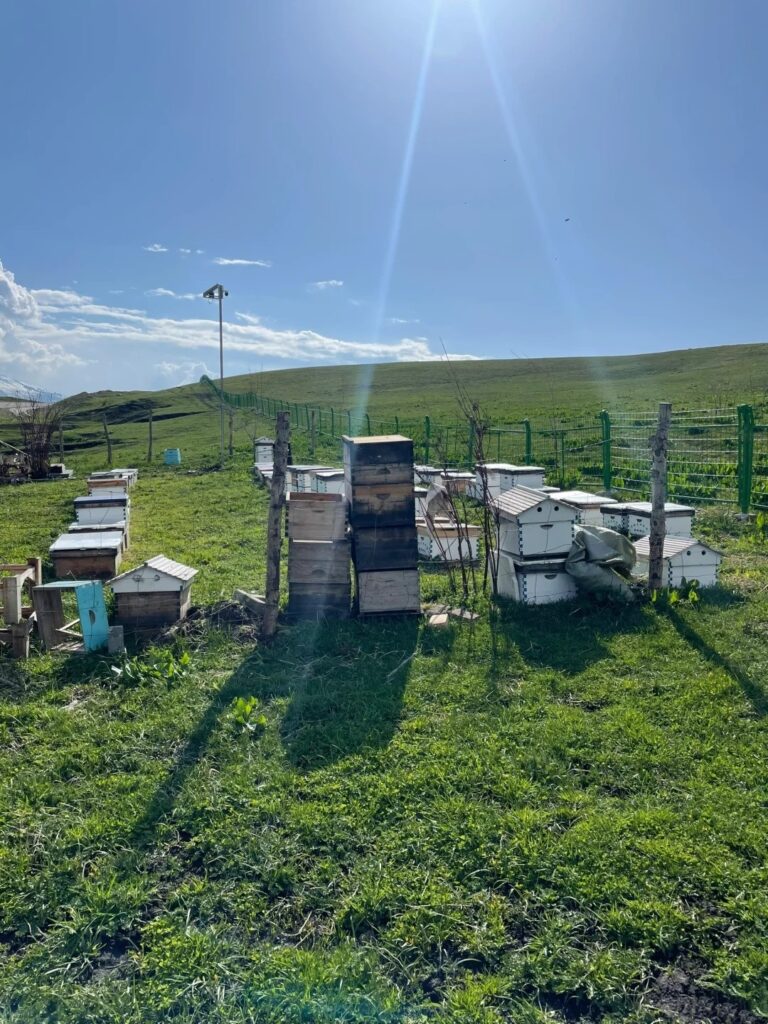
2. Poor Hive Placement
Pitfall: Placing hives in areas with poor sunlight or excessive wind can stress bees and reduce their productivity.
Solution: Choose a sunny spot with some wind protection. Ideally, hives should face southeast to catch the morning sun.
Real-life Story: A fellow beekeeper placed his hives in a shaded, windy area and saw poor hive activity. After relocating them to a sunnier, sheltered spot, the bees thrived.
3. Overfeeding or Underfeeding
Pitfall: Not feeding bees enough can starve them, while overfeeding can cause robbing and hive issues.
Solution: Balance is key. Provide supplemental feeding only when necessary, such as in early spring or late fall.
Real-life Story: I overfed my bees one winter, attracting other bees and causing a robbing frenzy. Since then, I’ve learned to monitor and adjust feeding based on the hive’s needs.
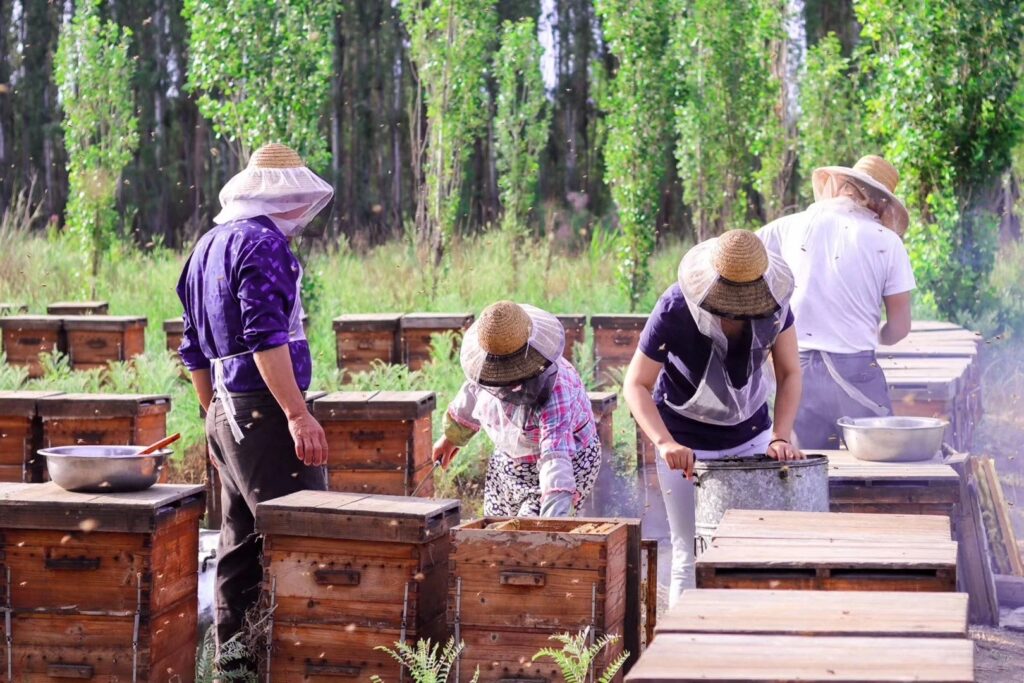
4. Improper Use of the Smoker
Pitfall: Using too much or too little smoke can stress bees or leave you unprotected from stings.
Solution: Use gentle, cool smoke. Practice lighting and using the smoker to get the right amount.
Real-life Story: During my first inspection, I over-smoked the hive, causing the bees to panic. Now, I use just a few puffs and it makes a huge difference.
5. Ignoring Local Beekeeping Laws
Pitfall: Some beginners start without understanding local regulations, which can lead to legal issues.
Solution: Research local beekeeping laws and follow them. Join a local beekeeping association for guidance.
Real-life Story: A new beekeeper in our community set up hives without checking local ordinances and faced fines. Learning the rules beforehand can save you trouble.
How to Avoid and Correct These Mistakes
- Education: Take a beekeeping course or read reputable books and articles. Knowledge is your best defense against mistakes.
- Mentorship: Find a mentor or join a local beekeeping group. Experienced beekeepers can offer invaluable advice.
- Record Keeping: Keep detailed records of hive inspections, feeding, and treatments. This helps you track hive health and spot trends.
- Adaptability: Be willing to adjust your methods. Beekeeping is as much an art as a science, and what works in one situation might not in another.
Conclusion: Beekeeping Equipment
Beekeeping is a rewarding and fascinating hobby that connects you with nature and contributes to the environment. With the right preparation and knowledge, you can start your beekeeping journey confidently. Don’t be discouraged by initial challenges; every beekeeper learns through experience.
Ready to dive into beekeeping? Gather your equipment, educate yourself, and connect with local beekeepers for support. With patience and dedication, you’ll soon find yourself thriving in this wonderful hobby. Happy beekeeping!