




Description
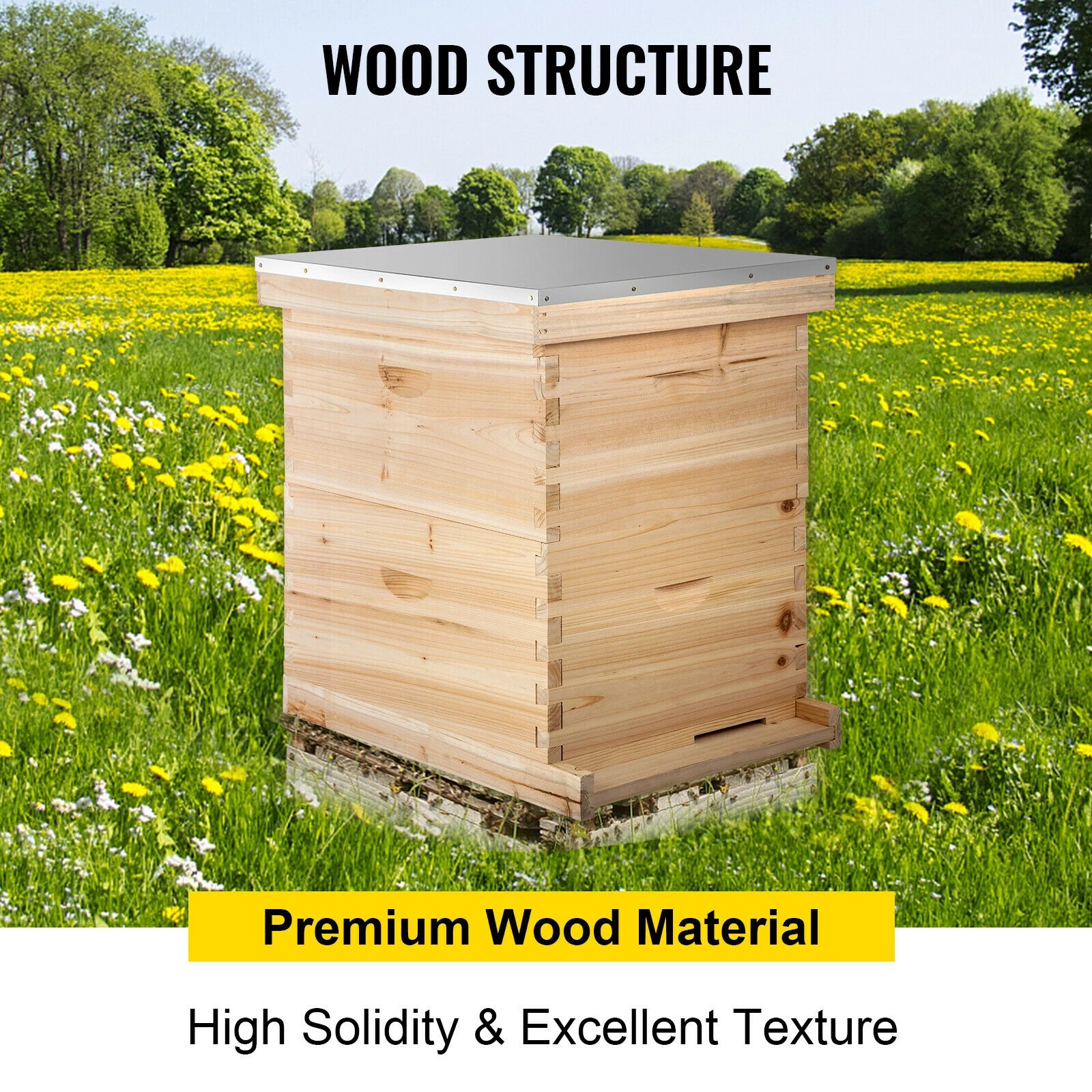
Our Cedar Beehive Box is meticulously crafted for efficient and effective beekeeping. Made from high-quality cedar wood, this beehive is ideal for the reproduction and maintenance of bee colonies. The natural properties of cedar, including its antibacterial qualities, contribute to a healthier environment for your bees. The robust construction and thoughtful design ensure long-term use and ease of maintenance.
Key Features
- Material: Cedar Wood
- Weight: 0.3 kg (0.66 lbs)
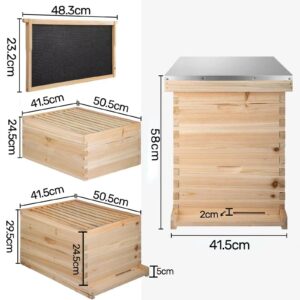
- Dimensions: 56 x 50 x 50.5 cm (22.05 x 19.69 x 19.88 in)
- Packaging: 1 set per carton box
- Temperature Control: Ambient temperature
- Type: Beekeeping Tool
- Layers:
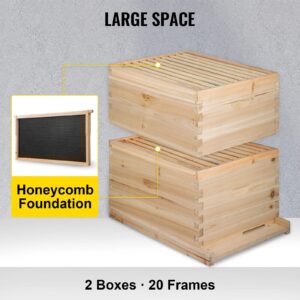
- 2 Layers (2 brood chambers)
- 4 Layers (2 brood chambers, 2 supers)
- 5 Layers (1 brood chamber, 4 supers)
Unique Features
- Pre-cut Hive Entrance and Ventilation Ports: Saves time and effort with pre-cut entrances and vents, promoting proper airflow and bee activity.
- Seamless Connection: The hive entrance and body fit seamlessly, saving space and providing a streamlined design.
- Removable Entrance: Allows for easy cleaning of the hive interior.
- High Precision Construction: CNC grooving and dovetail joints for easy assembly and high accuracy.
- Polished Exterior and Interior: Smooth, attractive finish inside and out for a professional look and enhanced functionality.
- Thick, Durable Wood: 2 cm thick cedar wood, sturdy and long-lasting.
- Boiled Wax Finish: High-temperature sterilization and wax boiling provide a smooth, glossy surface that is waterproof, rot-resistant, and insect-proof.
- Iron Mesh Lid: Reliable iron mesh, pre-nailed for your convenience.
- Human-Centered Design: Easy front access for cleaning and maintenance. Thick, chamfered lid edges to prevent injuries to bees and beekeepers.

How to Use the Cedar Beehive Box
Setup and Installation
-
Unpack the Beehive:
- Carefully remove all parts from the packaging.
- Check to ensure all components are present, including the base, walls, lid, and hardware.
-
Assemble the Hive:
- Follow the detailed assembly instructions provided.
- Use the provided hardware to secure all parts, ensuring a sturdy construction.
- Start with the base and attach the sides, ensuring they fit securely with the dovetail joints.
-
Install Frames:
- Insert the frames into each layer. Make sure they are properly positioned and securely fixed.
- Ensure that the frames fit snugly and are evenly spaced to allow for optimal bee activity.
-
Introduce Your Bees:
- Gently introduce your bee colony into the hive. This can be done by placing the bees near the entrance and allowing them to find their way inside.
- Allow the bees time to acclimate to their new environment. They may take a few days to fully settle in.
Hive Maintenance and Tips
-
Regular Inspections:
- Check on your bee colony regularly. Use the inspection to monitor their health and activity.
- Look for signs of disease, pests, or any abnormalities in bee behavior.
- Pay attention to the presence of eggs, larvae, and capped brood to ensure the queen is healthy and laying eggs.
-
Clean the Hive:
- Regularly clean the hive to maintain a healthy environment for your bees.
- Remove any debris, old comb, or other buildup inside the hive.
- Clean the hive entrance to ensure it remains unobstructed and easy for bees to navigate.
-
Winter Preparation:
- Ensure the hive is well-insulated and protected during the winter months.
- Provide adequate food supplies to help your bees survive colder temperatures. This may include sugar water or other supplements.
- Reduce the hive entrance size to prevent drafts and conserve heat.
-
Swarm Management:
- Be vigilant for signs of swarming, such as increased activity or the presence of swarm cells.
- Take necessary measures to prevent swarming, such as splitting the hive or adding additional space.
- Maintain a healthy bee population by ensuring the queen is healthy and laying eggs consistently.
-
Layer Management:
- Depending on the needs of your colony, add or remove layers to optimize space.
- Monitor honey production and brood expansion. Adjust the hive configuration accordingly to provide sufficient space for honey storage and brood rearing.
- Use the additional layers (supers) to manage the honey flow and prevent overcrowding in the brood chambers.
-
Temperature Control:
- Monitor the hive’s temperature to ensure it stays within an optimal range.
- In hot weather, provide shade and ventilation. In cold weather, insulate the hive and reduce drafts.
- Ensure the hive is located in a position that receives adequate sunlight and is protected from harsh winds.
-
Pest Control:
- Regularly inspect the hive for signs of pests such as mites, ants, or beetles.
- Use appropriate treatments and preventative measures to keep pests at bay.
- Maintain a clean and tidy environment around the hive to discourage pests.
By following these detailed guidelines and utilizing the features of the Cedar Beehive Box, you can ensure an efficient, safe, and comfortable environment for your bees. This will help promote a healthy bee colony and maximize honey production. Happy beekeeping!


Reviews
There are no reviews yet.