

Introduction: Why Start Beekeeping?
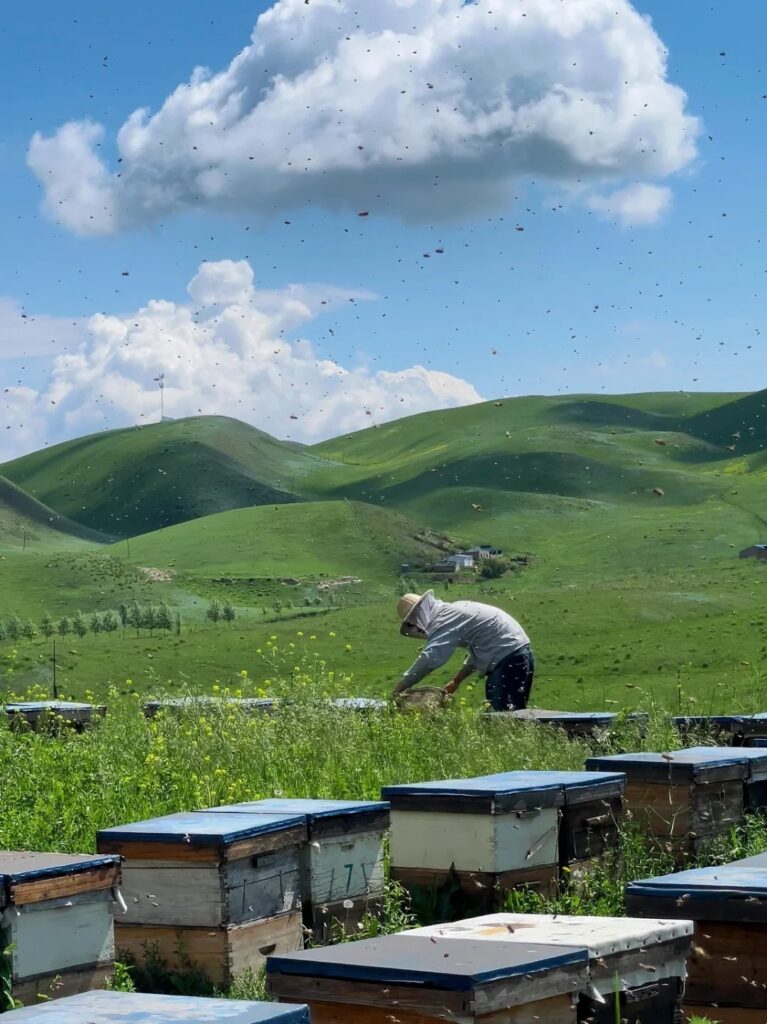
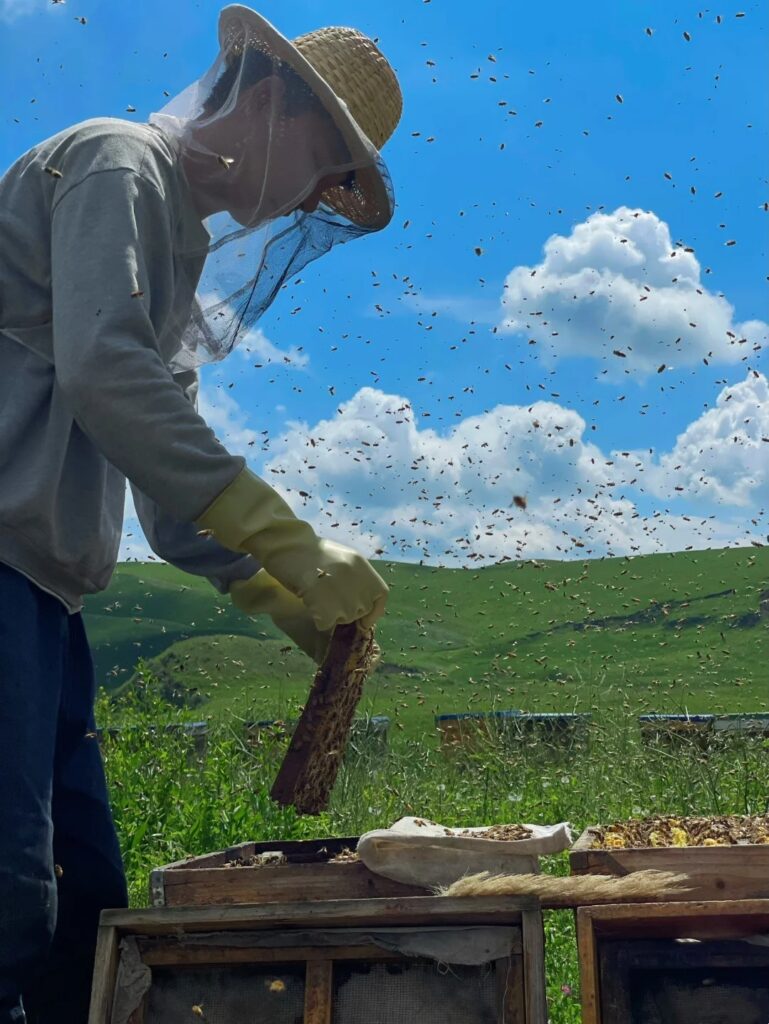
Beekeeping is a rewarding hobby that not only benefits you personally, but also contributes significantly to the environment. Bees are vital pollinators, and their role in the ecosystem is crucial. As a beekeeper, you’ll be helping to sustain bee populations, which in turn supports plant diversity and agriculture. Furthermore, beekeeping can provide a sense of fulfillment, stress relief, and even delicious honey. Before diving into beekeeping, consider some essential questions: Do you have the time and resources to care for bees? Are you ready to learn and adapt continuously? Are there local beekeeping groups you can join for support?
Section 1: Beekeeping Basics
Essential Equipment for Beekeeping
List of Necessary Tools and Supplies
Starting your beekeeping journey requires some essential equipment to ensure your bees are well-cared for and your beekeeping experience is successful. Here’s a comprehensive list of what you’ll need:
- Beehive
- Beesuit and Gloves
- Smoker
- Hive Tool
- Bee Brush
- Feeder
- Queen Excluder
- Bee Frame and Foundation
Detailed Description of Each Beekeeping Item
1. Beehive
The beehive is the most critical component of beekeeping. It serves as the home for your bee colony. The most common types are the Langstroth, Top-Bar, and Warre hives.
- Langstroth Hive: This modular hive consists of stackable boxes (supers) that contain removable frames. It’s popular for its ease of inspection and honey harvesting.
- Top-Bar Hive: This horizontal hive has bars at the top from which bees use to build their comb. It’s simple and promotes natural bee behavior.
- Warre Hive: This vertical hive mimics a tree hollow, requiring minimal intervention and is great for those wanting a more natural approach.
2. Beesuit and Gloves
Protection is crucial when working with bees. A bee suit and gloves keep you safe from stings while allowing you to handle your bees comfortably.
- Beesuit: Typically made of thick cotton or ventilated fabric, it covers your entire body. Make sure it’s well-fitted and has elastic closures to prevent bees from entering.
- Gloves: Usually made of leather or a durable synthetic material, gloves protect your hands while providing enough dexterity to handle hive components.

3. Smoker
A smoker is an essential tool that calms bees by masking alarm pheromones. It’s used during hive inspections to make the bees more docile and manageable.
- Usage: Light the smoker with natural materials like wood chips or pine needles. Gently puff smoke into the hive entrance and around the frames before inspecting.

4. Hive Tool
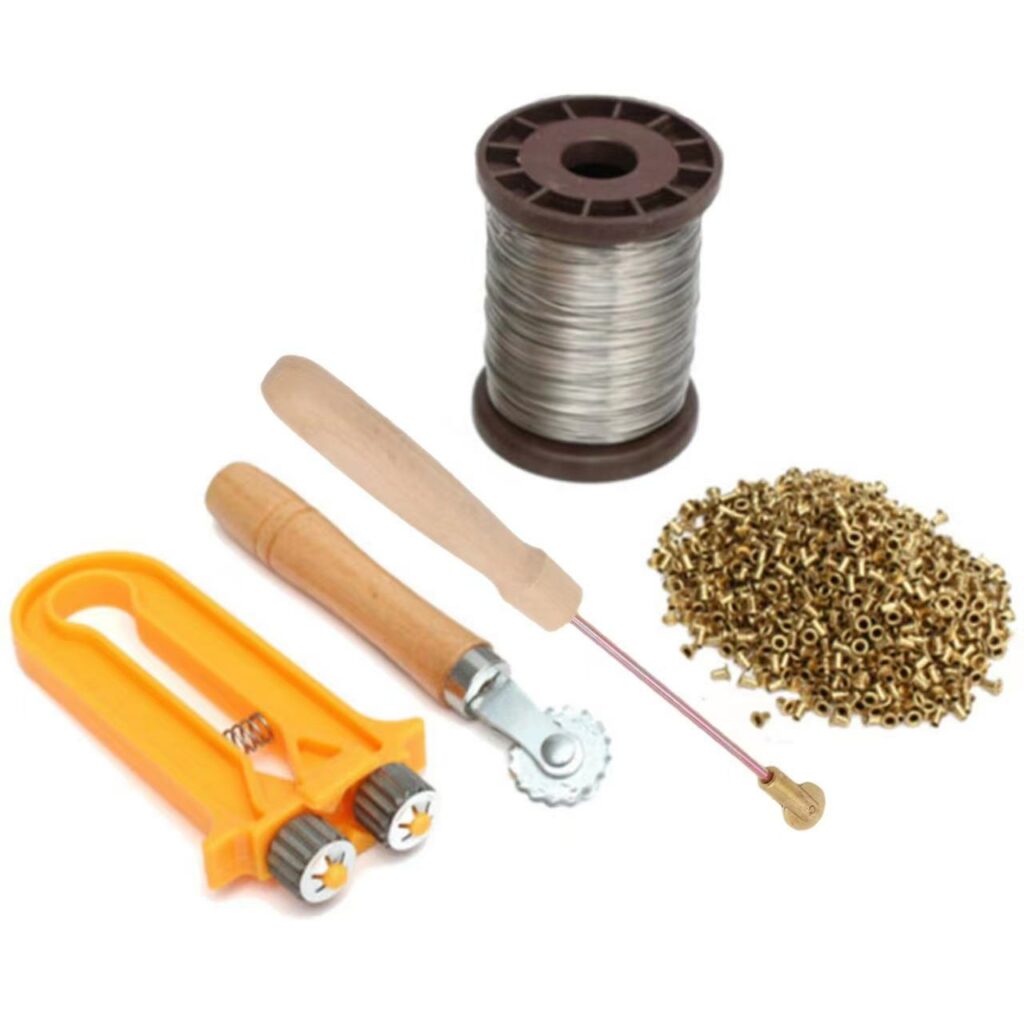
A hive tool is a multi-purpose instrument used to pry apart hive components, scrape off propolis, and lift frames.
- Types: The most common are the standard hive tool and the J-shaped hive tool. Both are designed to help you efficiently manage your hive.
5. Bee Brush
A bee brush is used to gently move bees off combs during inspections or honey harvesting without harming them.
- Material: Usually made with soft bristles to ensure the bees are not injured during use.

6. Feeder
Feeders are used to providing supplemental food to your bees, especially during times of nectar scarcity.
- Types: Common types include entrance feeders, frame feeders, and top feeders. Each has its advantages, depending on your hive setup.

7. Queen Excluder
A queen excluder is a grid placed between the brood chamber and the honey supers to prevent the queen from laying eggs in the honey storage area.
- Material: Typically made of metal or plastic, it allows worker bees to pass through while restricting the larger queen.
8. Bee Frame and Foundation
Frames hold the foundation on which bees build their comb. They are essential for maintaining an organized hive structure.
- Foundation Types: Wax foundation or plastic foundation. Wax is more natural, while plastic is durable and reusable.
Cost Considerations and Budgeting Tips for Beekeeping
Starting beekeeping requires initial investment, but with proper budgeting, it can be manageable. Here’s a cost breakdown to help you plan:
- Beehive: A basic Langstroth hive setup can cost between $200-$300. Top-Bar and Warre hives might be slightly cheaper.
- Bee Suit and Gloves: Expect to spend around $50-$150 for a bee suit and $20-$30 for gloves.
- Smoker: A good quality smoker costs around $20-$40.
- Hive Tool: Generally inexpensive, ranging from $7-$15.
- Bee Brush: Costs around $5-$10.
- Feeder: Prices can vary based on the type, typically $5-$20.
- Queen Excluder: Costs around $10-$20.
- Bee Frame and Foundation: A pack of 10 frames with a foundation can cost between $20-$50.
Budgeting Tips:
- Buy Used Equipment: Consider purchasing used equipment from local beekeepers to save money.
- DIY Projects: If you’re handy, building your own hive can significantly reduce costs.
- Bulk Purchasing: Buying supplies in bulk can lower the overall cost per item.
- Join a Beekeeping Club: The club often has shared resources or group purchasing discounts.
Starting with quality equipment ensures a smoother beekeeping experience and can save money in the long run by avoiding frequent replacements. As you gain experience, you can expand your setup and explore more advanced tools and techniques.
Types of Beekeeping Hives
Overview of Different Hive Types
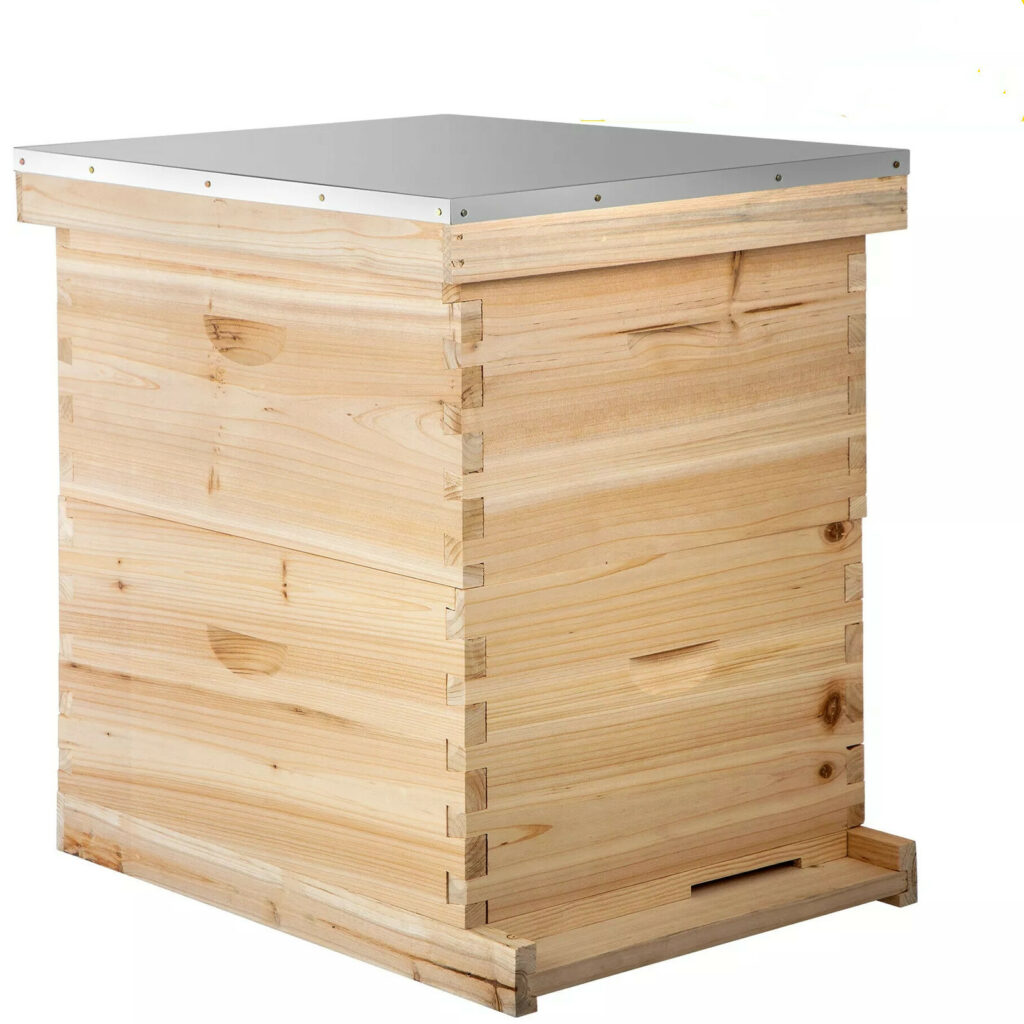
When starting beekeeping, selecting the right type of hive is crucial. Each hive type has unique features that cater to different beekeeping needs and preferences. The three most common hive types are Langstroth, Top-Bar, and Warre hives.
1. Langstroth Hive
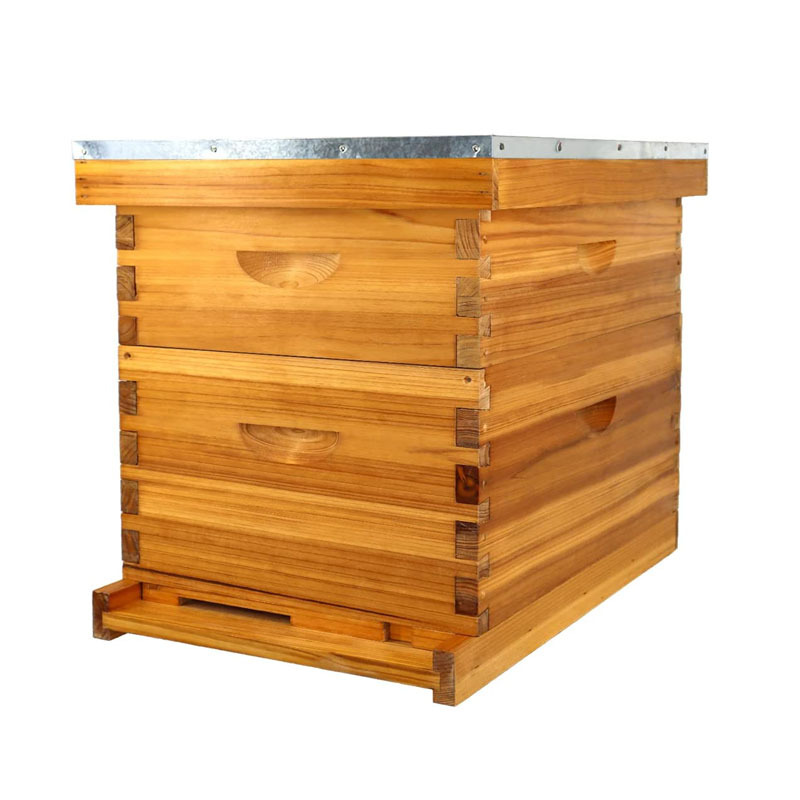
The Langstroth hive is the most widely used hive type, known for its modular design and ease of inspection.
- Structure: It consists of stackable boxes (supers) that contain removable frames. The frames hold the comb, making it easy to manage and harvest honey.
- Management: This hive type allows beekeepers to add or remove boxes based on the colony’s size and honey production, providing flexibility.
2. Top-Bar Hive
The Top-Bar hive is a horizontal hive designed to promote natural bee behavior.
- Structure: It has a long, horizontal box with bars across the top, from which bees build their combs. Each bar acts as a movable frame.
- Management: This hive type encourages natural comb building, making it simpler and more intuitive to manage, especially for beginners.
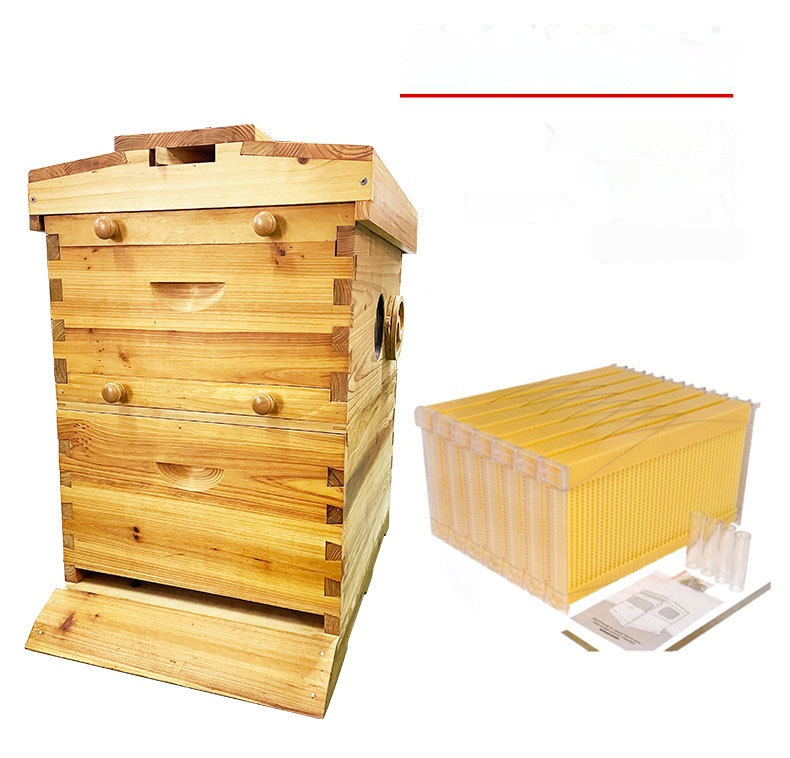
3. Warre Hive
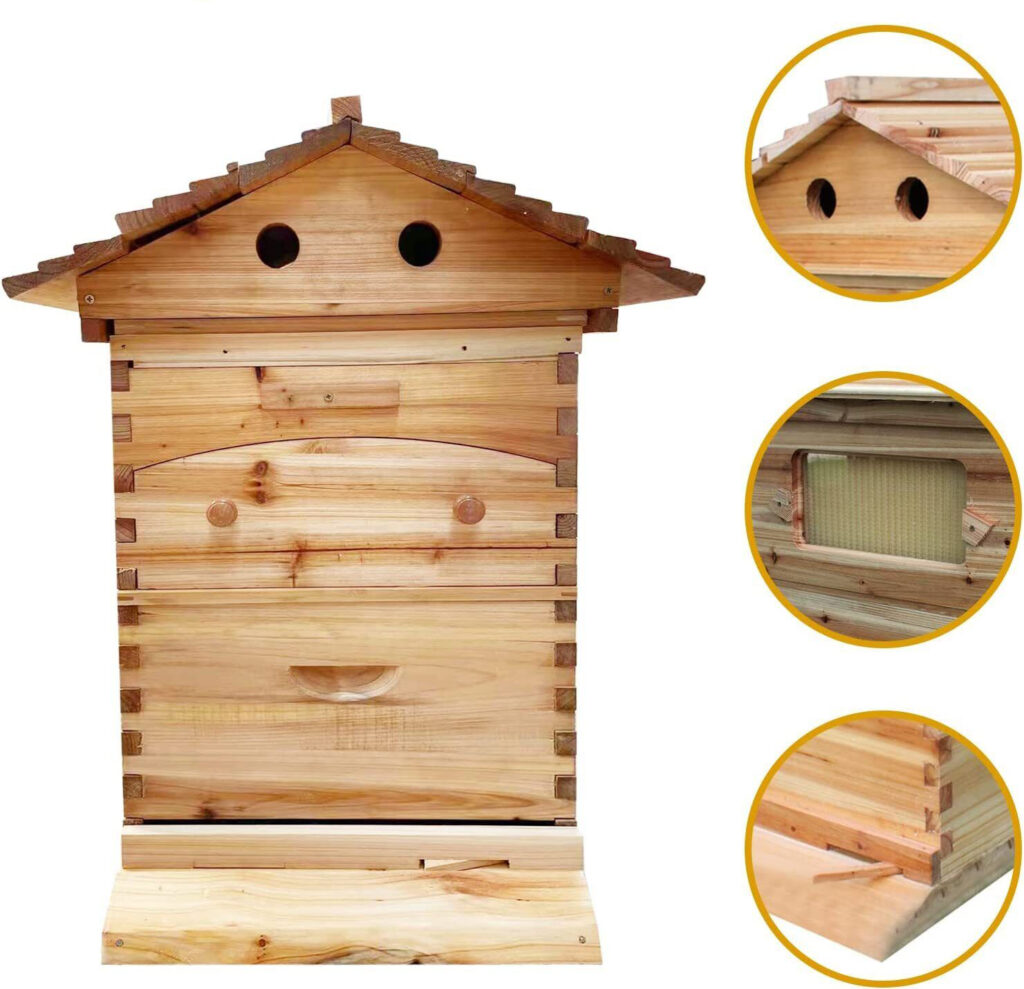
The Warre hive mimics a hollow tree, offering a more natural beekeeping approach with minimal intervention.
- Structure: It is a vertical hive consisting of stackable boxes with fixed combs. It’s designed to allow bees to build their combs naturally without interference.
- Management: This hive requires less frequent inspections and interventions, making it ideal for beekeepers who prefer a hands-off approach.

Pros and Cons of Each Beekeeping Hive Type
Langstroth Hive
- Pros:
- Highly modular and scalable.
- Easy to inspect and harvest honey.
- Widely used, with plenty of resources and accessories available.
- Cons:
- Heavier and more labor-intensive to manage.
- Requires regular inspections and maintenance.
- May not promote as natural bee behavior as other hive types.
Top-Bar Hive
- Pros:
- Promotes natural comb building.
- Easier on the beekeeper’s back due to the horizontal design.
- Simpler to construct and manage.
- Cons:
- Lower honey production compared to Langstroth hives.
- Less modular, limiting scalability.
- Requires more space due to horizontal design.
Warre Hive
- Pros:
- Mimics a natural environment for bees.
- Minimal intervention is required.
- Suitable for organic beekeeping practices.
- Cons:
- More challenging to inspect and harvest honey.
- Limited resources and accessories compared to Langstroth.
- Fixed combs can be difficult to manage and manipulate.
Case Studies of Beekeepers Using Different Hives
Case Study 1: Jane’s Langstroth Hive Experience
Langstroth’sJane started with a Langstroth hive due to its popularity and the abundance of available resources. She found it easy to learn the basics of beekeeping with Langstroth’s modular design. However, Jane noted that the hive’s weight and the frequency of inspections were physically demanding. Despite this, the high honey yield made it worthwhile.
Bee Management
Basics of Managing a Colony of Bees
Managing a beekeeping colony involves understanding the needs and behaviors of your bees to maintain a healthy hive. Here are the core aspects:
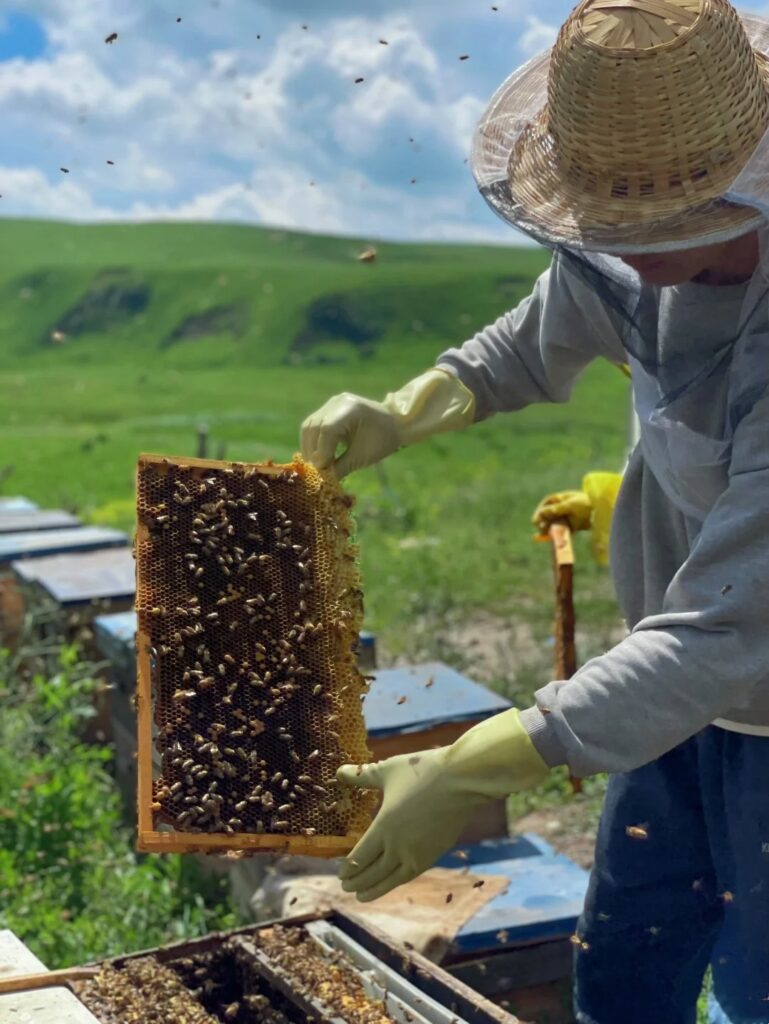
- Hive Inspections: Regular inspections help monitor the health of your colony. Check for brood patterns, honey stores, and signs of disease or pests.
- Feeding Bees: During times of scarcity, provide supplemental food like sugar syrup or pollen patties.
- Swarm Control: Prevent swarming by providing ample space and performing splits if necessary.
- Queen Management: Ensure the queen is healthy and laying eggs consistently. Replace her if she shows signs of weakness.
Seasonal Management Tips
Managing a beekeeping colony varies with the seasons. Here’s how to approach each season:
Spring
- Inspection: Perform thorough inspections to assess winter survival.
- Feeding: Provide supplemental feeding if natural nectar is scarce.
- Space Management: Add supers to give bees more space as the colony expands.
Summer
- Pest Control: Monitor and treat for pests like Varroa mites.
- Ventilation: Ensure proper hive ventilation to prevent overheating.
- Harvesting Honey: Extract honey when frames are capped and honey is ready.
Fall
- Preparation: Inspect and prepare the hive for winter by reducing entrances and adding insulation if necessary.
- Feeding: Feed bees to build up their stores for winter survival.
- Health Check: Treat for any diseases or pests to ensure a healthy wintering colony.
Winter
- Minimal Disturbance: Avoid opening the hive unnecessarily.
- Insulation: Ensure the hive is well-insulated to protect bees from cold temperatures.
- Observation: Monitor the hive entrance for activity and signs of distress.
Common Mistakes and How to Avoid Them
Even experienced beekeepers can make mistakes. Here are common pitfalls and tips to avoid them:
1. Neglecting Hive Inspections
- Mistake: Skipping regular inspections can lead to unnoticed problems.
- Solution: Schedule inspections every 7-10 days during active seasons.
2. Overfeeding or Underfeeding Bees
- Mistake: Incorrect feeding can cause health issues or starvation.
- Solution: Learn to recognize when bees need supplemental feeding and provide it appropriately.
3. Ignoring Signs of Disease
- Mistake: Missing early signs of diseases can lead to colony collapse.
- Solution: Educate yourself on common bee diseases and perform regular health checks.
4. Poor Hive Placement
- Mistake: Placing hives in unsuitable locations can affect bee health and productivity.
- Solution: Choose a location with good sun exposure, protection from winds, and easy access for management.
5. Improper Use of Equipment
- Mistake: Misusing beekeeping tools can harm bees and damage the hive.
- Solution: Take time to learn proper use of each tool and gentle handling techniques.
6. Not Controlling Swarming
- Mistake: Allowing bees to swarm without control can weaken your colony.
- Solution: Monitor for swarming signs and take preventive measures such as splitting the hive.
Managing a beekeeping colony successfully requires knowledge, patience, and regular attention. By understanding the basics, adapting to seasonal changes, and avoiding common mistakes, you can ensure a thriving and productive bee colony.
Section 2: Understanding Bee Biology
Roles of Different Types of Bees in Beekeeping
In a beekeeping hive, each type of bee has specific roles that contribute to the colony’s overall health and productivity. Understanding these roles is essential for effective hive management.
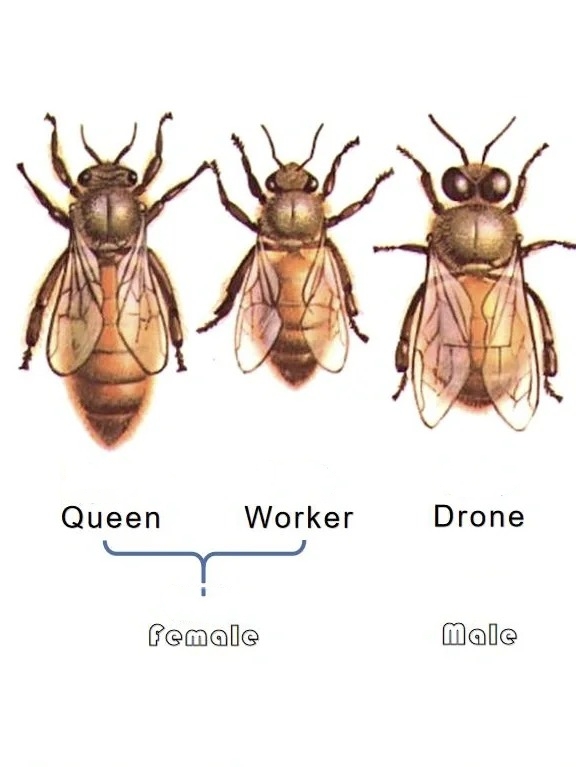
The Queen Bee
The queen bee is the colony’s central figure. Her primary functions are:
- Egg Production: The queen lays up to 2,000 eggs daily during the peak season, ensuring colony growth.
- Pheromone Production: She emits pheromones that maintain the hive’s social structure and harmony.
- Reproduction: Her presence and egg-laying ability ensure the colony’s continuity.
Detailed Description:
- The queen’s abdomen is longer and more slender compared to other bees.
- She spends most of her life inside the hive, only leaving for mating flights or in the case of swarming.
- A well-mated queen has a lifespan of 2-5 years, although beekeepers may replace her sooner to maintain high egg production.
Worker Bees
Worker bees, all females, are the hive’s labor force. They have several roles throughout their lives:
- Nursing: Young workers, known as nurse bees, feed and care for the larvae.
- Cleaning and Maintenance: Workers clean the hive and build combs.
- Foraging: Older workers gather nectar, pollen, water, and propolis.
- Guarding: Some workers defend the hive against intruders.
Detailed Description:
- Worker bees have specialized structures like pollen baskets on their hind legs.
- They perform a sequence of tasks as they age, starting with in-hive duties and progressing to foraging.
- Workers live for about 6 weeks during active seasons and longer during the winter.
Drone Bees
Drones are male bees whose primary role is reproduction.
- Mating: Drones leave the hive to mate with queens from other colonies, ensuring genetic diversity.
- Survival: They do not have stingers and rely on worker bees for food.
Detailed Description:
- Drones are larger and stouter than workers and queens, with large eyes to spot queens during mating flights.
- They live for a few months, typically dying after mating or being expelled from the hive before winter.
Lifecycle of Bees in Beekeeping
Understanding the lifecycle of bees helps in managing the hive more effectively.
Egg Stage
- Duration: About three days.
- Process: The queen lays eggs in individual cells. Worker bees inspect and tend to these eggs.
Larva Stage
- Duration: Six days.
- Feeding: Nurse bees feed larvae royal jelly initially, then pollen and honey.
- Growth: Larvae grow rapidly, filling the cell.
Pupa Stage
- Duration: Twelve days.
- Transformation: Larvae spin cocoons and undergo metamorphosis into adult bees.
- Sealed Cells: Workers cap the cells during this stage.
Adult Stage
- Emergence: Bees emerge from their cells fully developed.
- Roles: Depending on their age, they take on various tasks within the hive.
Importance of Each Bee in the Beekeeping Hive
Each type of bee is crucial for the hive’s survival and efficiency:
- Queen Bee: Central to reproduction and colony stability.
- Worker Bees: Perform all essential tasks, from feeding larvae to foraging.
- Drone Bees: Ensure genetic diversity through mating.
Behavior and Communication in Beekeeping
Understanding how bees communicate and navigate is essential for effective beekeeping. Bees have developed sophisticated methods to relay information, ensuring the hive operates efficiently.
How Bees Communicate and Navigate
Pheromones
Bees use pheromones, which are chemical signals, to communicate various messages within the colony.
- Queen Pheromones: These are crucial for maintaining social order. They signal the queen’s presence and suppress the worker bees’ ability to reproduce.
- Alarm Pheromones: Released when bees perceive a threat, prompting other bees to defend the hive.
- Nasonov Pheromones: Used by worker bees to guide other bees to a location, often used during swarming or to mark a new hive.
Dance Language
Bees perform specific dances to share information about food sources.
- Round Dance: Indicates that food is nearby. The bee moves in a circular pattern to signal proximity but does not provide directional information.
- Waggle Dance: Communicates precise information about the location of distant food sources, including direction and distance.
Section 3: Ecology and Impact
Bees and Pollination
Role of Bees in Pollination
Bees play an essential role in pollination, a process critical for the reproduction of many plants. Through pollination, bees help transfer pollen from the male parts of flowers (anthers) to the female parts (stigmas), enabling fertilization.
Key Points:
- Cross-Pollination: Bees visit multiple flowers, transferring pollen and enhancing genetic diversity.
- Food Production: Approximately one-third of the food we eat relies on bee pollination. Crops like apples, almonds, berries, and cucumbers depend heavily on bees.
- Biodiversity: Pollination supports the growth of trees, flowers, and other plants, which serve as food and shelter for various creatures.
Environmental Benefits of Beekeeping
Beekeeping provides numerous environmental benefits beyond honey production. These include:
1. Enhancing Plant Growth
- Increased Yield: Beekeepers’ bees pollinate nearby crops, resulting in higher yields and better-quality produce.
- Wild Plant Pollination: Bees also pollinate wild plants, supporting ecosystems and contributing to natural biodiversity.
2. Promoting Biodiversity
- Diverse Plant Life: Through their pollination activities, bees encourage the growth of diverse plant species, which in turn supports various animal species.
- Habitat Creation: Bees help maintain habitats for wildlife by supporting plant life that other species depend on.
3. Supporting Sustainable Agriculture
- Reduced Need for Chemicals: Natural pollination reduces the need for synthetic fertilizers and pesticides, promoting organic farming practices.
- Soil Health: Pollinated plants contribute to soil health through their root systems and organic matter.
Challenges to Bee Populations
Threats to Bees
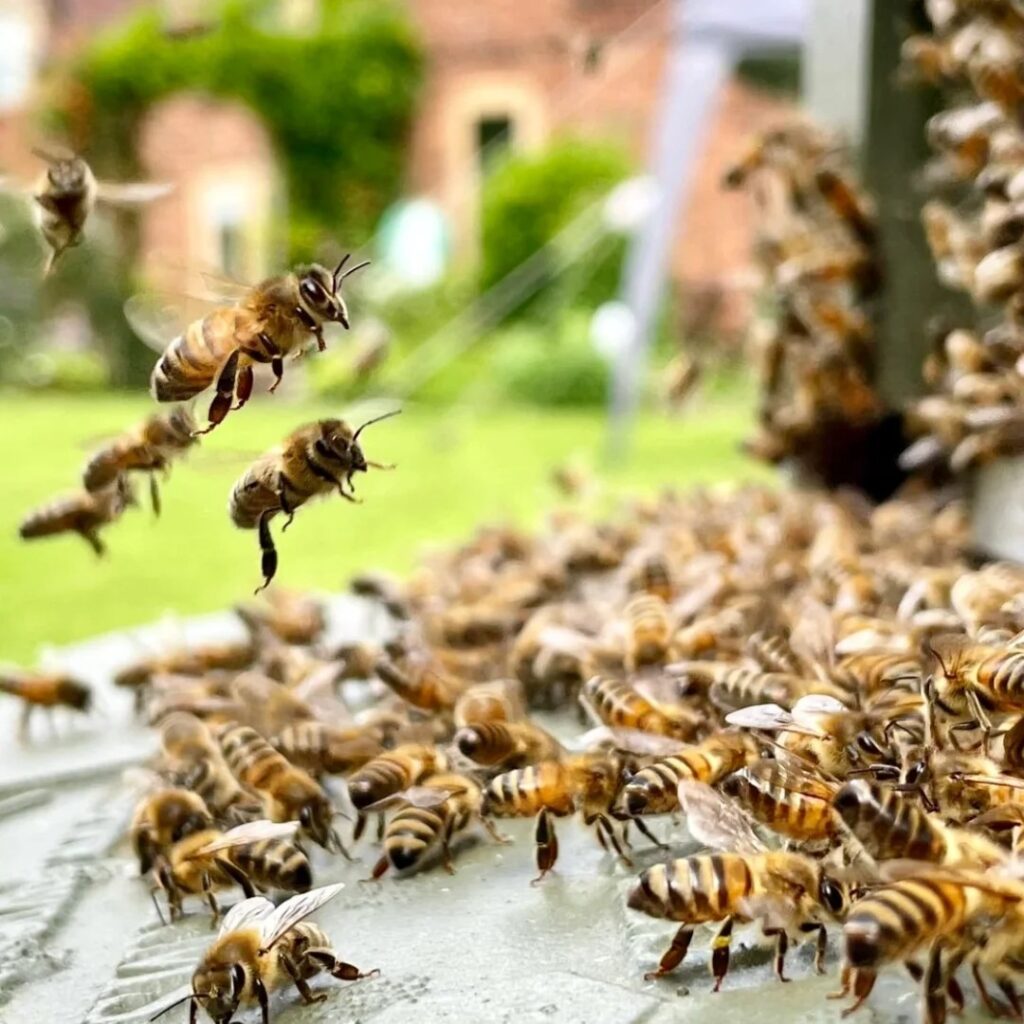
Bees face numerous threats that can significantly impact their populations and ability to perform essential tasks like pollination.
- Pesticides——Pesticides, especially neonicotinoids, disrupt bees’ nervous systems, causing disorientation, impaired foraging, and death. Other agricultural chemicals can also have harmful effects, reducing the availability of nectar-rich plants.
- Habitat Loss ——Urbanization and modern agricultural practices reduce bees’ natural habitats. The expansion of cities and towns limits foraging areas, while monoculture farming and the removal of wildflower patches decrease plant diversity, essential for bees’ nutrition.
- Diseases and Pests——Varroa mites, a significant threat, attach to bees and weaken them by sucking their blood, transmitting deadly viruses. Other diseases, like Nosema (a fungal infection) and American foulbrood (a bacterial disease), can devastate colonies by affecting bee larvae and overall hive health.
How Beekeepers Can Help
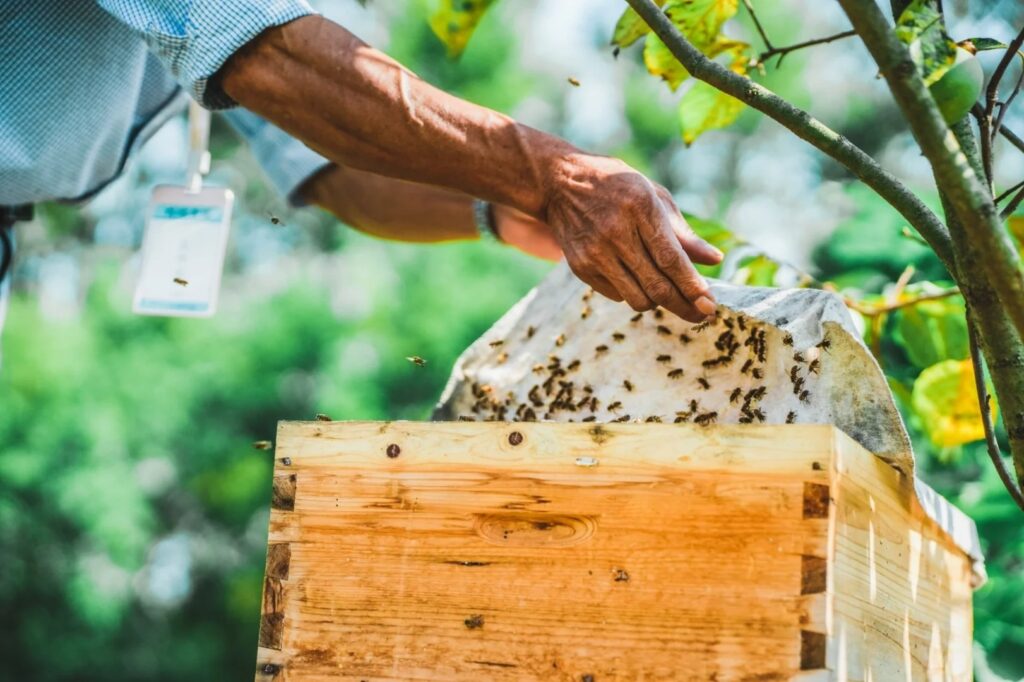
Beekeepers play a crucial role in mitigating these threats and protecting bee populations.
1. Integrated Pest Management (IPM)
- Chemical-Free Solutions: Use organic acids (like oxalic and formic acids) and essential oils to control Varroa mites.
- Mechanical Controls: Implementing screened bottom boards and drone comb trapping to reduce mite populations.
2. Habitat Restoration
- Planting Forage: Cultivate diverse, bee-friendly plants and wildflowers to provide ample foraging opportunities.
- Creating Bee Habitats: Creating natural areas and wildflower strips within agricultural lands to support bees.
3. Disease Prevention
- Regular Monitoring: Inspect hives frequently for signs of disease and pests.
- Hygiene Practices: Maintaining cleanliness in the apiary, including sterilizing equipment and avoiding the spread of diseases through hive tools.
4. Advocacy and Education
- Raising Awareness: Educating the public and other beekeepers about the importance of bees and the challenges they face.
- Policy Advocacy: Support policies and regulations that protect bee habitats and limit harmful pesticide use.
Case Study: Efforts to Protect Bee Populations
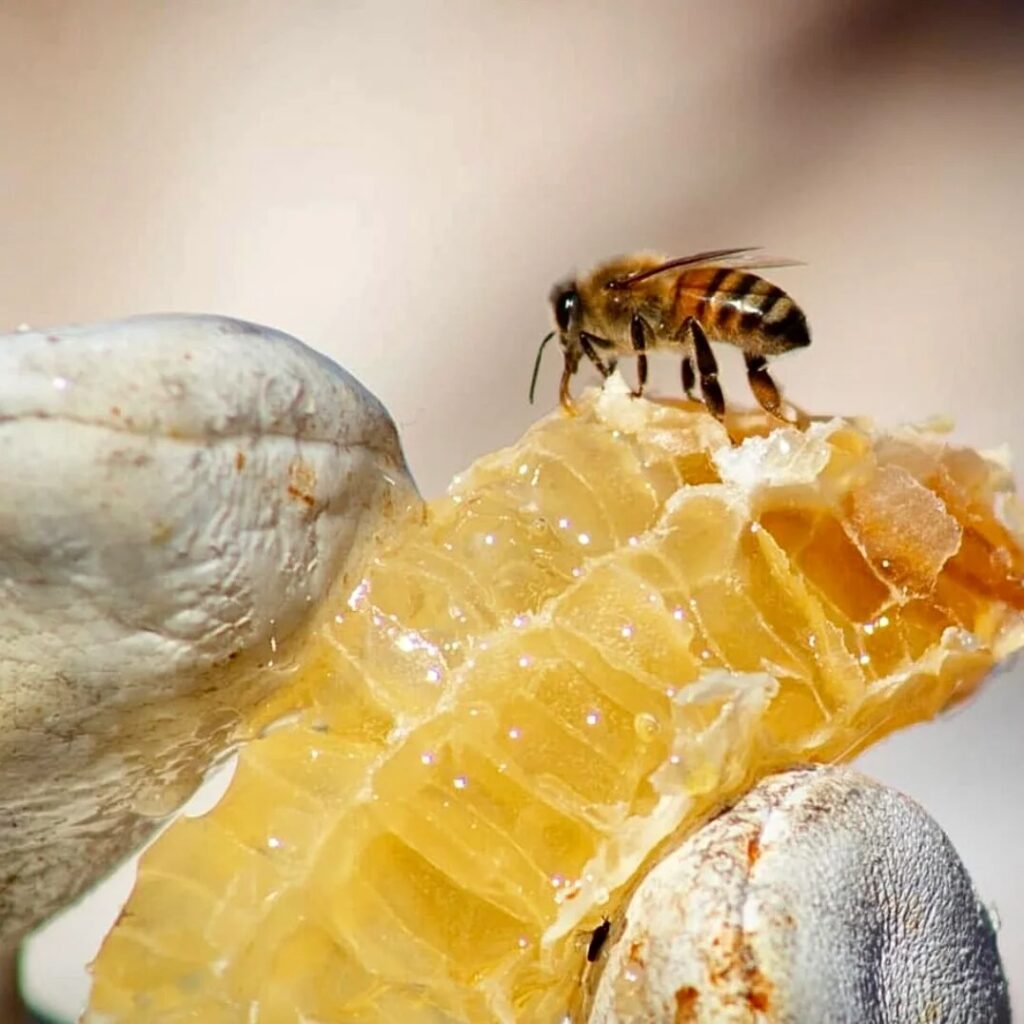
A community in California launched the “Bee Friendly” initiative to protect local bee populations and promote sustainable practices.
In this initiative, local farmers reduced harmful pesticide use, opting for organic alternatives, and established wildflower corridors and green spaces in urban areas, providing bees with additional foraging resources. Educational programs included workshops and school activities to teach children and adults about the importance of bees and how to protect them.
The local bee populations increased due to improved foraging and reduced chemical exposure. Enhanced biodiversity supported not only bees but also other pollinators and wildlife. The program fostered a sense of community responsibility and environmental stewardship.
Conclusion
Bees are vital to our ecosystem, playing a crucial role in pollination and supporting biodiversity. Beekeeping not only helps protect these essential pollinators but also enhances agricultural productivity and environmental health. By nurturing bees, you become a steward of nature, ensuring the prosperity of our planet for generations to come.
Embarking on the journey of beekeeping is a rewarding endeavor. Each hive you care for is a step towards preserving our precious bee populations. Remember, patience and continuous learning are your best allies. Embrace the challenges and joys that come with beekeeping, knowing that your efforts contribute to a healthier environment and a sustainable future.